20% off £40 or 15% off £30


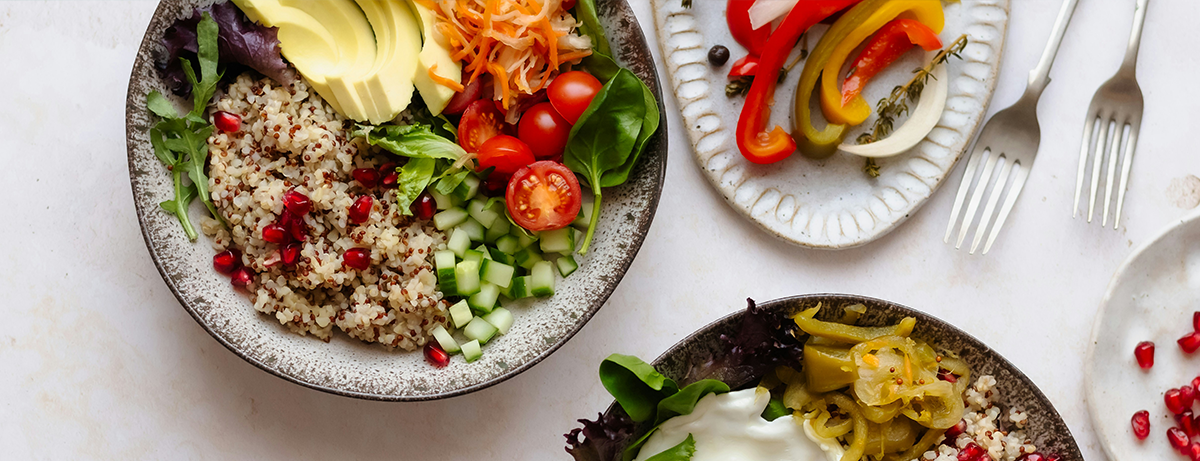
What are anti-inflammatory foods and can the Mediterranean diet really make a difference? Here’s what inflammation is and how diet may support your body’s normal responses
Summary
1What is inflammation?
Inflammation is part of your immune system’s natural defence mechanism. It isn’t always a bad thing – your body uses it to protect and repair itself.
2Can you reduce inflammation naturally?
You can’t simply ‘switch off’ inflammation, but research links habits like a plant-rich diet, movement and sleep with healthier inflammatory markers.
3Does the Mediterranean diet help with inflammatio
The Mediterranean diet is one of the most studied eating patterns for inflammatory balance, thanks to its mix of fibre, healthy fats and plant foods.
You’ve probably heard of inflammation – often in a negative context. But it’s not something your body gets ‘wrong’. In fact, it’s a vital biological process that helps protect you.1 What matters is the difference between short-term, helpful inflammation and the kind that persists over time.1 Here’s what that means and what the current evidence says about diet, lifestyle and inflammatory balance.
What is inflammation?
Inflammation is part of your immune system’s natural defence mechanism. When you get a cut, strain a muscle or catch a virus, your body releases signalling molecules that help coordinate repair and fight infection.2 You might notice redness, swelling or warmth. This is known as acute inflammation and it’s both normal and necessary.2
Chronic inflammation is different. It happens when the body’s inflammatory response persists instead of fully resolving, and research has linked ongoing inflammatory signalling with several long-term health conditions.1,2 But inflammation itself isn’t the enemy – the goal is to support appropriate regulation and balance, rather than eliminating it.
What influences inflammation?
Lots of things can influence inflammatory processes, and they often interact with one another. These include:3-5
- infection or injury
- sleep quality and duration
- psychological stress
- smoking
- physical inactivity
- body composition
- dietary patterns
Diet does not act in isolation. However, nutrients and plant compounds can interact with oxidative stress, immune signalling pathways and gut microbiota, all of which are linked to inflammatory regulation.6
Can you reduce inflammation naturally?
This isn’t about ‘switching inflammation off’. Instead, research suggests that certain long-term lifestyle patterns are associated with healthier inflammatory markers. These include:6-9
- eating a varied, plant-rich diet
- including sources of omega-3 fatty acids
- regular physical activity
- prioritising sleep
- managing stress
- avoiding smoking
So rather than pinning everything on one superfood or supplement, the evidence points much more clearly to your overall pattern of eating and living. This is where the idea of an anti-inflammatory diet comes from.10
What foods might support normal inflammatory responses?
Many foods contain bioactive compounds that have been studied for their role in inflammatory modulation.6 These include antioxidants, omega-3 fatty acids and polyphenols.6,8 Below are some of the foods most commonly included in anti-inflammatory diet patterns.
If you eat oily fish such as salmon or sardines, you’ll be getting EPA and DHA, which are long-chain omega-3 fatty acids. Omega-3 fats are involved in producing specialised lipid mediators that help regulate inflammatory processes.8 Regular fish intake has also been associated in research with cardiovascular and metabolic health markers.11 Plant sources like flaxseeds and walnuts provide ALA, another omega-3 fatty acid, although conversion to EPA and DHA in the body is limited.12
Colourful fruit and vegetables contain:13
- vitamin C
- carotenoids
- flavonoids
- other polyphenols
These compounds act as antioxidants, helping to counter oxidative stress.13 Oxidative stress and inflammatory signalling are closely linked biological processes. Eating a wide range of plant foods increases exposure to diverse bioactive compounds.6
Oats, brown rice, lentils, beans and other whole plant foods are rich in dietary fibre which
supports the gut microbiome. When gut bacteria ferment certain fibres, they produce short-chain fatty acids (SCFAs) which are involved in maintaining gut barrier function and immune balance. Higher fibre intakes have been associated with favourable inflammatory biomarkers.6,14
Nuts and seeds provide unsaturated fats, fibre and vitamin E – an antioxidant nutrient.15
Extra virgin olive oil (a must-have in the Mediterranean diet) contains oleic acid and polyphenols.16 Some of these compounds have been studied for their role in inflammatory pathways.6,14-16
Turmeric, ginger, garlic and cinnamon contain plant compounds that have been investigated for their effects on inflammatory signalling.17 While the amounts you use in everyday cooking are not the same as concentrated extracts used in some studies, regularly cooking with herbs and spices can still contribute to your overall polyphenol intake.18
Drinks linked to inflammatory research
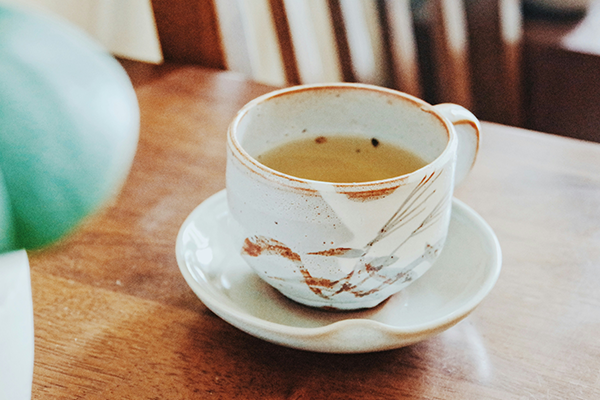
Some drinks also contain bioactive compounds that have been studied in this area:19
- green tea (catechins such as EGCG)
- coffee (polyphenols)
- cocoa (flavanols)
Hydration supports normal physiological function more broadly as well.20 No single drink can eliminate inflammation, but they may form part of a balanced dietary pattern.
Does the Mediterranean diet help with inflammation?
The Mediterranean diet is one of the most researched dietary patterns globally. It typically encourages:10,16
- fruit and vegetables
- legumes and wholegrains
- nuts and seeds
- olive oil as the primary fat
- moderate fish intake
- limited ultra-processed foods
Multiple studies have associated following the Mediterranean diet with favourable changes in inflammatory biomarkers compared with more Western-style dietary patterns. Its strength appears to lie in the combined effect of fibre, unsaturated fats, antioxidants and overall dietary diversity, rather than one specific ingredient. For this reason, the Mediterranean diet is often described as an example of an anti-inflammatory diet pattern.10,21-22
What about supplements?
Supplements such as omega-3 capsules, curcumin or polyphenol extracts are sometimes marketed for inflammatory support. While certain compounds have demonstrated biological activity in clinical research, results vary depending on dose, formulation, bioavailability and individual health status.6,8,17 And remember that supplements should not replace a balanced diet. If you’re considering taking them – particularly if you have a medical condition or take medication – it’s best to speak to a healthcare professional first.
Lifestyle factors matter too
What you eat is only one part of the picture. Diet interacts with other lifestyle factors, and research has linked short sleep duration, chronic stress and sedentary behaviour with altered inflammatory markers.3-4,9 Regular movement, consistent sleep patterns and stress management techniques may support healthy immune regulation alongside dietary choices.3-4,9-10
Anti-inflammatory food and drink FAQs
No drink can eliminate inflammation on its own. Green tea and coffee contain polyphenols that have been studied in relation to inflammatory pathways. However, overall dietary pattern and lifestyle factors play a much larger role.
Bananas contain fibre, vitamin C and other nutrients that contribute to a balanced diet. While they are not uniquely anti-inflammatory, they can be included as part of a varied, plant-rich dietary pattern associated with healthy inflammatory responses.
Eggs provide protein and several micronutrients. Research findings on eggs and inflammatory markers are mixed and may depend on overall dietary context and individual health status. For most people, eggs can form part of a balanced diet.
The final say
If you’re trying to support your body’s inflammatory balance, it helps to zoom out and look at the bigger picture. Inflammation is a necessary and protective process.1,2 The aim isn’t to eliminate it, but to support balance. An anti-inflammatory diet is best understood as a long-term eating pattern rich in fruits and vegetables, wholegrains, fibre and unsaturated fats including omega-3s.10,21-22 The Mediterranean diet is a well-studied example of this approach.10,16,21-22 Sadly, there’s no single food that ‘cures’ inflammation, but consistent dietary and lifestyle habits can support your body’s normal inflammatory responses over time.3,7,10
Disclaimer – This article provides informational advice and is not a substitute for medical care. Working with experts for accuracy, we take great care to ensure the information is up-to-date and relevant. However, you should always consult your GP or healthcare professional before using supplements or alternative products, particularly if you have medical conditions or are under supervision.
1. Liehn EA, Cabrera-Fuentes HA. Inflammation between defense and disease: impact on tissue repair and chronic sickness. Discoveries (Craiova). 2015 Mar 31;3(1):e42. doi: 10.15190/d.2015.34. https://pmc.ncbi.nlm.nih.gov/articles/PMC6941570/
2. Chen L, Deng H, Cui H, Fang J, Zuo Z, Deng J, Li Y, Wang X, Zhao L. Inflammatory responses and inflammation-associated diseases in organs. Oncotarget. 2017 Dec 14;9(6):7204-7218. https://pmc.ncbi.nlm.nih.gov/articles/PMC5805548/
3. Furman, D., Campisi, J., Verdin, E. et al. Chronic inflammation in the etiology of disease across the life span. Nat Med 25, 1822–1832 (2019). https://doi.org/10.1038/s41591-019-0675-0 https://www.nature.com/articles/s41591-019-0675-0#citeas
4. Liao Z, Guo S, Wang K, Xu Y, Zheng R, Yu B, Zhao G, Zhang R, Kang X, Ai S. Bidirectional Mendelian randomization analysis of inflammatory factors and sleep related traits. Brain Behav Immun Health. 2025 Jul 4;48:101053. doi: 10.1016/j.bbih.2025.101053. https://pubmed.ncbi.nlm.nih.gov/40686927/
5. Bibi S, Naeem M, Mahmoud Mousa MF, Bahls M, Dörr M, Friedrich N, Nauck M, Bülow R, Völzke H, Markus MR, Ittermann T. Body composition markers are associated with changes in inflammatory markers but not vice versa: A bi-directional longitudinal analysis in a population-based sample. Nutr Metab Cardiovasc Dis. 2024 May;34(5):1166-1174. doi: 10.1016/j.numecd.2024.01.008. Epub 2024 Jan 14. https://pubmed.ncbi.nlm.nih.gov/38403482/
6. Riaz Rajoka MS, Thirumdas R, Mehwish HM, Umair M, Khurshid M, Hayat HF, Phimolsiripol Y, Pallarés N, Martí-Quijal FJ, Barba FJ. Role of Food Antioxidants in Modulating Gut Microbial Communities: Novel Understandings in Intestinal Oxidative Stress Damage and Their Impact on Host Health. Antioxidants (Basel). 2021 Sep 30;10(10):1563. doi: 10.3390/antiox10101563. https://pmc.ncbi.nlm.nih.gov/articles/PMC8533511/#abstract1
7. Sotos-Prieto M, Bhupathiraju SN, Falcon LM, Gao X, Tucker KL, Mattei J. Association between a Healthy Lifestyle Score and inflammatory markers among Puerto Rican adults. Nutr Metab Cardiovasc Dis. 2016 Mar;26(3):178-84. doi: 10.1016/j.numecd.2015.12.004. Epub 2015 Dec 29. https://pmc.ncbi.nlm.nih.gov/articles/PMC4788524/
8. Zivkovic AM, Telis N, German JB, Hammock BD. Dietary omega-3 fatty acids aid in the modulation of inflammation and metabolic health. Calif Agric (Berkeley). 2011 Jul;65(3):106-111. https://pmc.ncbi.nlm.nih.gov/articles/PMC4030645/
9. Rosenkranz MA, Lutz A, Perlman DM, Bachhuber DR, Schuyler BS, MacCoon DG, Davidson RJ. Reduced stress and inflammatory responsiveness in experienced meditators compared to a matched healthy control group. Psychoneuroendocrinology. 2016 Jun;68:117-25. https://pmc.ncbi.nlm.nih.gov/articles/PMC4851883/#abstract1
10. Keshani M, Rafiee S, Heidari H, Rouhani MH, Sharma M, Bagherniya M. Mediterranean Diet Reduces Inflammation in Adults: A Systematic Review and Meta-analysis of Randomized Controlled Trials. Nutr Rev. 2025 Nov 10:nuaf213. https://pubmed.ncbi.nlm.nih.gov/41211687/
11. Jayedi A, Shab-Bidar S. Fish Consumption and the Risk of Chronic Disease: An Umbrella Review of Meta-Analyses of Prospective Cohort Studies. Adv Nutr. 2020 Sep 1;11(5):1123-1133. https://pmc.ncbi.nlm.nih.gov/articles/PMC7490170/
12. Santos HO, Price JC, Bueno AA. Beyond Fish Oil Supplementation: The Effects of Alternative Plant Sources of Omega-3 Polyunsaturated Fatty Acids upon Lipid Indexes and Cardiometabolic Biomarkers-An Overview. Nutrients. 2020 Oct 16;12(10):3159. https://pmc.ncbi.nlm.nih.gov/articles/PMC7602731/0
13. Rahaman MM, Hossain R, Herrera-Bravo J, Islam MT, Atolani O, Adeyemi OS, Owolodun OA, Kambizi L, Daştan SD, Calina D, Sharifi-Rad J. Natural antioxidants from some fruits, seeds, foods, natural products, and associated health benefits: An update. Food Sci Nutr. 2023 Jan 13;11(4):1657-1670. https://pmc.ncbi.nlm.nih.gov/articles/PMC10084981/#abstract1
14. Fu J, Zheng Y, Gao Y, Xu W. Dietary Fiber Intake and Gut Microbiota in Human Health. Microorganisms. 2022 Dec 18;10(12):2507. https://pmc.ncbi.nlm.nih.gov/articles/PMC9787832/
15. Gonçalves B, Pinto T, Aires A, Morais MC, Bacelar E, Anjos R, Ferreira-Cardoso J, Oliveira I, Vilela A, Cosme F. Composition of Nuts and Their Potential Health Benefits-An Overview. Foods. 2023 Feb 23;12(5):942. https://pmc.ncbi.nlm.nih.gov/articles/PMC10000569/
16. Riolo R, De Rosa R, Simonetta I, Tuttolomondo A. Olive Oil in the Mediterranean Diet and Its Biochemical and Molecular Effects on Cardiovascular Health through an Analysis of Genetics and Epigenetics. Int J Mol Sci. 2022 Dec 15;23(24):16002. https://pmc.ncbi.nlm.nih.gov/articles/PMC9782563/#abstract1
17. Amirah S, Abdurrahman MF, Sudiasa INS, Duta TF, Fakri F, Iqhrammullah M. Efficacy of Phytopharmaca (Cinnamon, Turmeric, Ginger and Garlic) as an Adjuvant in Rheumatoid Arthritis Management: A Systematic Review and Meta-Analysis. Indian Journal of Rheumatology. 2025;20(1):60-72. https://journals.sagepub.com/doi/full/10.1177/09733698241290298
18. Blanton C. Polyphenol Intake from Herbs and Spices. Nutrients. 2025 Jul 27;17(15):2445. https://pmc.ncbi.nlm.nih.gov/articles/PMC12348060/#abstract1
19. Arshad Z, Shahid S, Hasnain A, Yaseen E, Rahimi M. Functional Foods Enriched With Bioactive Compounds: Therapeutic Potential and Technological Innovations. Food Sci Nutr. 2025 Oct 7;13(10):e71024. https://pmc.ncbi.nlm.nih.gov/articles/PMC12501769/
20. Popkin BM, D'Anci KE, Rosenberg IH. Water, hydration, and health. Nutr Rev. 2010 Aug;68(8):439-58. https://pmc.ncbi.nlm.nih.gov/articles/PMC2908954/#abstract1
21. Clark JS, Dyer KA, Davis CR, Shivappa N, Hébert JR, Woodman R, Hodgson JM, Murphy KJ. Adherence to a Mediterranean Diet for 6 Months Improves the Dietary Inflammatory Index in a Western Population: Results from the MedLey Study. Nutrients. 2023 Jan 11;15(2):366. https://pmc.ncbi.nlm.nih.gov/articles/PMC9866776/
22. Abusheikha AJ, Johnson CSC, Snyder-Mackler N, Zimmerman KD, Negrey JD, Chiou KL, Frye BM, Howard TD, Shively CA and Register TC (2025) Differential effects of Mediterranean vs. Western diets on coronary atherosclerosis and peripheral artery transcriptomics. Front. Nutr. 12:1564741. https://www.frontiersin.org/journals/nutrition/articles/10.3389/fnut.2025.1564741/full#cite