20% off £40 or 15% off £30
Why’s my skin so itchy? Common causes and how to manage it

Written byH&B editorial team

Reviewed byHeeral Tomlinson
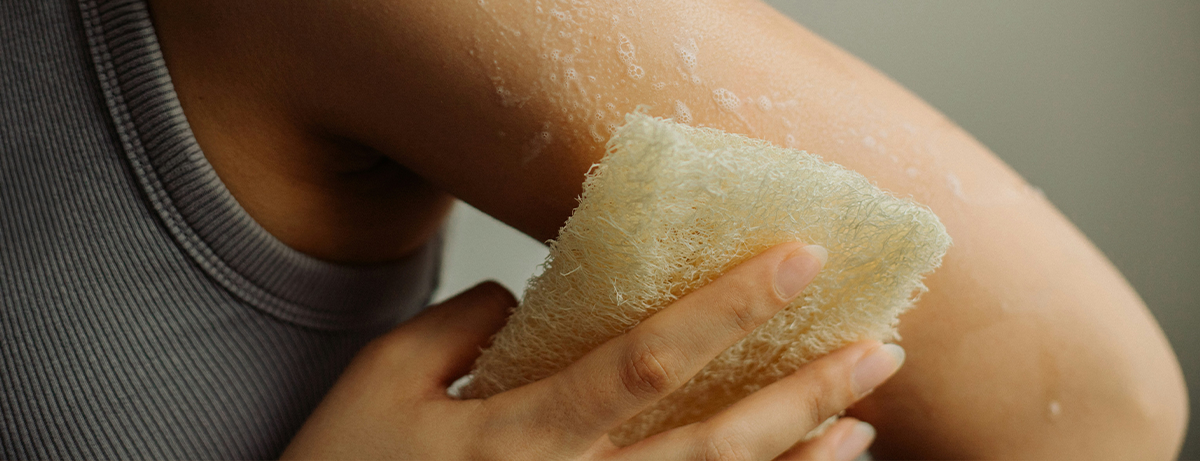
Itching 24/7? Time to find out whether it’s eczema, dermatitis or something else – we ask a pharmacist for advice to help nip it in the bud
Summary
1What causes itchy skin?
There are a whole range of reasons, from allergies to sweating, eczema or menopause.
2Eczema vs dermatitis: what’s the difference?
Dermatitis is the wider term for skin inflammation and eczema is a particular type of dermatitis.
3Tips to help itchy skin
Do things like Use an emollient cream, take antihistamines, apply something cool or avoid long, hot showers.
Your skin’s red raw, your nails are gross and you’re still itching. But what’s the cause? No matter what it is, you want to get rid of it. Rashy or weepy, cracked or flaky – we're here to help. Read on for tips on relieving itchy, scratchy skin (plus what might be causing it) with insight from H&B expert Angeli Moss...
What causes itchy skin (pruritis)?
Most likely, it’s down to a recurring skin condition or your skin disagreeing with something. But there are loads of potential reasons why like:
- dermatitis – the umbrella term for inflamed skin. We’ll get onto this in a bit...
- eczema – a kind of dermatitis that leaves skin dry, itchy and cracked
- allergies – often to animal fur, washing powder or soap, cosmetics or jewellery
- sweating or heat
- insect bites
- central heating or air conditioning
- taking hot baths or showers
- fungal infections, like athlete’s foot
- menopause1
- kidney disease – this is rare, but if you’re already at risk, visit your GP
What’s the difference between eczema and dermatitis?
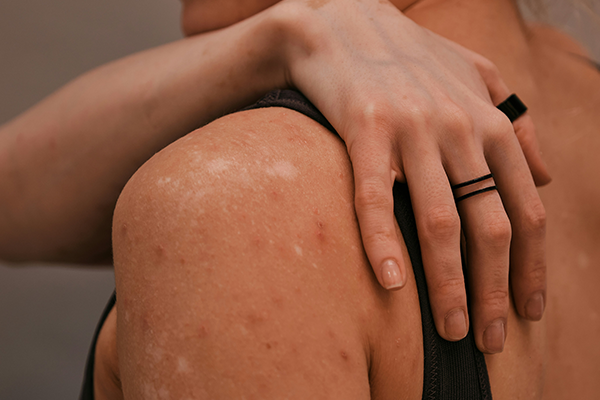
Dermatitis is the wider term for skin inflammation and eczema is a particular type of dermatitis.2 “All eczema is a form of dermatitis, but not all dermatitis is eczema. There are several types of both conditions, each requiring specific management,” explains Angeli. With both, you might experience dry, red, itchy, rashy or weepy skin.3,4 Let's find out how to narrow it down...
What are the main types of dermatitis and eczema?
1. Atopic dermatitis (atopic eczema)
This is the most common type of eczema, causing a dry, itchy rash and sore, cracked skin.3 The skin’s protective barrier may become weaker and less able to hold moisture, which causes dryness. As skin becomes more sensitive, it may be more prone to infection.2
Eczema can appear anywhere on the body – though it’s most commonly seen on the inner elbows, knees, hands and sometimes the face.3 It isn’t contagious and atopic eczema is usually something people manage long-term – often from childhood.5 It may come and go, with certain triggers causing flare-ups, but it’s different from an allergy or contact dermatitis. To help soothe flare-ups, keep skin moisturised and cool, and wash with emollient cleansers instead of soap.3
2. Contact dermatitis
Contact dermatitis is caused by interaction with a particular substance. It causes dry, itchy and cracked skin.4 There are two reasons a substance gives you contact dermatitis: either it’s an irritant or you’re allergic to it. Look out for flare-ups when you use certain soaps, washing powders or cosmetics. It might also get worse with regular contact with water or even handling raw fruit and veg.4
You can use moisturisers to help your skin stay hydrated but contact dermatitis should go away once you stop exposing your skin to the trigger.4
3. Dyshidrotic eczema
Sometimes called pompholyx, this causes tiny blisters on fingers, hands and sometimes the soles of the feet.6 The blisters are itchy and sometimes filled with fluid. It’s usually a long-term condition that comes and goes, lasting a few weeks at a time.6 The exact causes aren't obvious. However, stress, heat, sweating and sensitivity to metal compounds are generally agreed to aggravate it.6
Using a moisturiser specially formulated for eczema or eczema-prone skin every day might help relieve pompholyx, and if this doesn’t work you may be prescribed a steroid cream by your doctor.6
4. Discoid eczema
As the name suggests, this causes ‘disc’ shapes of red, swollen and cracked skin. It can be extremely itchy.7 On lighter skin the sores will be pink or red and they might be dark brown in darker skin or lighter than the skin around them.7 It’s not known why discoid eczema happens, but it might be a result of having extremely dry skin.7 Without treatment, it may last for weeks or months and might sometimes return in the same spot.7 It’s best to see a GP or speak to a pharmacist if you think you’ve got discoid eczema.
5. Varicose eczema
You’ll usually find this on the lower legs, especially if you have varicose veins. Like other types of eczema, the affected area of skin becomes dry, flaky, itchy and swollen. It’s more common in the elderly and is linked to increased pressure in the veins of the legs and decreased circulation.8 If not treated, ulcers may develop on the legs.8 Treatment for varicose eczema varies, but methods involve moisturisers, corticosteroid creams, compression stockings and staying active where possible.8
6. Seborrhoeic dermatitis
This kind of eczema affects oily (sebaceous) areas of the body, like the scalp, nose and sometimes around the ears.9 It’s characterised by dry flakes, redness and yellow ‘scales’.9 If you know about cradle cap in babies, that’s actually seborrhoeic dermatitis.10 There’s no permanent cure for seborrhoeic dermatitis, but you can help improve flare-ups by using antifungal medication and/or anti-inflammatory creams.9
Tips to help itchy skin
- Use an emollient cream – this helps protect the skin barrier and hold moisture in, suitable for skin that may be prone to eczema11
- Try an anti-itching cream – you can find these at a pharmacy
- Take antihistamines – especially if your itching is related to an allergy
- Avoid long, hot baths or soaking your skin for a long time
- Shower straight after getting sweaty
- Pat your skin instead of scratching12,13,14
Angeli’s tips? “Apply something cool, such as a damp towel, to calm irritation – and use laundry products designed for sensitive skin.”
When to see a doctor about itchy skin
Itchy skin isn’t usually a sign of something serious, but you should see your doctor if the itching:1
- affects your whole body
- has other symptoms, like weight loss or fever
- happens during pregnancy
- is caused by a new, unexplained mark on your skin
The final say
Sore no more? We hope this helped. But remember that not all itchy skin can be sorted out at home. “Some symptoms like a rash or swelling may give clues, but it’s important not to self-diagnose. If you’re worried, speak to a healthcare professional,” Angeli says.
While you’re here, check out some more info on staying smooth and protected, like our favourite daily moisturisers with SPF or our ultimate guide to SPF.
Disclaimer – This article provides informational advice and is not a substitute for medical care. Working with experts for accuracy, we take great care to ensure the information is up-to-date and relevant. However, you should always consult your GP or healthcare professional before using supplements or alternative products, particularly if you have medical conditions or are under supervision.
1. NHS. Itchy skin [Internet]. NHS [reviewed 2023 Jul 19; cited 2025 Oct 6]. Available from: https://www.nhs.uk/symptoms/itchy-skin/
2. Nemeth V, Syed HA, Evans J. Eczema. StatPearls [Internet]. 2024 Mar 1 [cited 2025 Oct 6]. Available from: https://www.ncbi.nlm.nih.gov/books/NBK538209/
3. NHS. Atopic eczema [Internet]. NHS [reviewed 2024 Sep 6; cited 2025 Oct 6]. Available from: https://www.nhs.uk/conditions/atopic-eczema/
4. NHS. Contact dermatitis [Internet]. NHS [reviewed 2023 May 3; cited 2025 Oct 6]. Available from: https://www.nhs.uk/conditions/contact-dermatitis/
5. Allergy UK. Eczema (Atopic Dermatitis) [Internet]. Allergy UK [cited 2025 Oct 6]. Available from: https://www.allergyuk.org/types-of-allergies/eczema/
6. NHS. Pompholyx (dyshidrotic eczema) [Internet]. NHS [reviewed 2022 Mar 2; cited 2025 Oct 6]. Available from: https://www.nhs.uk/conditions/pompholyx/
7. NHS. Discoid eczema [Internet]. NHS [reviewed 2023 Mar 23; cited 2025 Oct 6]. Available from: https://www.nhs.uk/conditions/discoid-eczema/
8. NHS. Varicose eczema [Internet]. NHS [reviewed 2023 Apr 20; cited 2025 Oct 6]. Available from: https://www.nhs.uk/conditions/varicose-eczema/
9. British Association of Dermatologists (BAD). Patient Information Leaflet – Seborrhoeic Dermatitis [Internet]. BAD [reviewed 2023 Jan; cited 2025 Oct 6]. Available from: https://cdn.bad.org.uk/uploads/2021/12/19174145/Seborrhoeic-dermatitis-PIL-Jan-2023.pdf
10. Bupa. Seborrhoeic dermatitis [Internet]. Bupa [2025 May 1; cited 2025 Oct 6]. Available from: https://www.bupa.co.uk/health-information/healthy-skin/seborrhoeic-dermatitis
11. NHS. Emollients [Internet]. NHS [2023 Oct 24; cited 2025 Oct 6]. Available from: https://www.nhs.uk/tests-and-treatments/emollients/
12. NHS Inform. Itchy skin [Internet]. NHS Inform [reviewed 2025 Aug 28; cited 2025 Oct 6]. Available from: https://www.nhsinform.scot/illnesses-and-conditions/skin-hair-and-nails/itchy-skin/
13. British Association of Dermatologists (BAD). Pruritis (itching) [Internet]. BAD [reviewed 2017 Oct; cited 2025 Oct 6]. Available from: https://www.bad.org.uk/pils/pruritus-itching/
14. Patient Info. Itching [Internet]. Patient Info [2025 Apr 28; cited 2025 Oct 6]. Available from: https://patient.info/skin-conditions/itching-leaflet
Related to this article