20% off £40 or 15% off £30

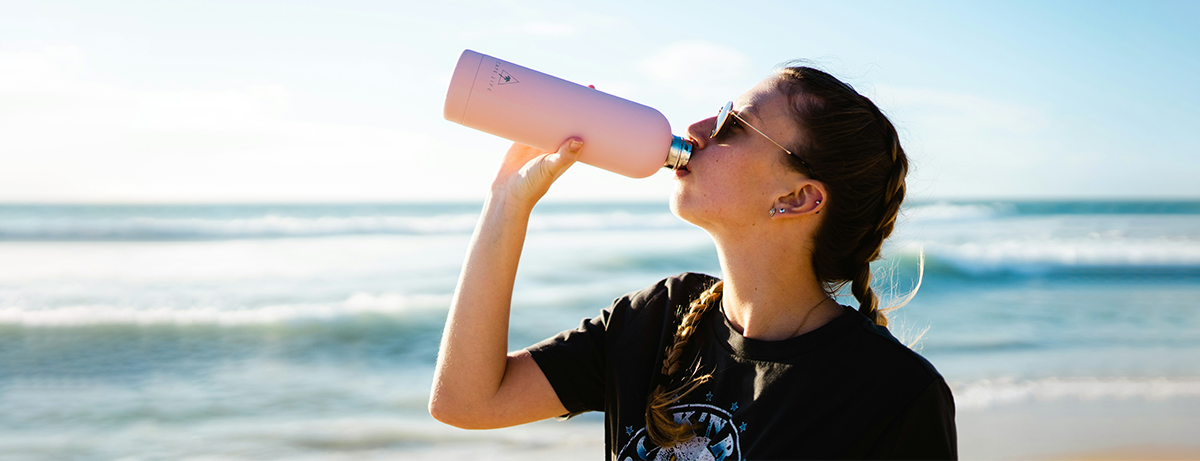
Desperately trying to drink more water? Here are five easy ways to support your health and happiness with every sip, plus practical tips for hot weather, exercise and everyday hydration
Summary
1How much water do we need?
According to the NHS, most people should aim for six to eight cups or glasses of fluid a day, which works out at roughly one and a half to two litres.
2Tips on drinking more water every day
Drinking the recommended amount may feel daunting if you do not really like the taste of plain water, but small, realistic habits can a difference.
3Why is water so important?
Staying hydrated helps your body function properly, supports temperature regulation and can help you feel more alert, comfortable and refreshed.
Water is, without doubt, the easiest and most affordable way to stay hydrated. But there’s one problem – not everyone likes water, never mind managing to fit in the recommended six to eight glasses a day. That’s why it helps to understand not just how much you should drink, but why it matters, how your needs can change in warmer weather and what to do if plain water isn’t always cutting it.1-4 And luckily, we have our very own nutritionist, Leila Weller-Kis, to help us stay refreshed.
How much water should I drink per day?
Have you ever stopped and wondered ‘hang on, how much water should I really be aiming to drink in a day?’, look no further – the NHS says most people should aim for six to eight cups or glasses of fluid a day.That’s roughly one and a half to two litres as a practical UK guide.1 Although water is the simplest and purest way to reach this intake, your daily liquids can also include milk, juices, smoothies, tea, coffee and even the food you eat. Though it’s important to remember that caffeine is a diuretic, which can cause dehydration.1
Leila says, “Listen to your body. If you’re thirsty, make sure you drink and don’t mistake the signals for hunger. You might think you’re hungry, but actually you just need a glass of water.” It’s also worth remembering that your needs can go up in hot weather or when you’re more active. If you’re exercising, commuting in the heat or spending long periods outdoors, you’ll usually need more than your usual baseline.3,4
How much water do I need in a heatwave?
Hot weather can make dehydration creep up faster than you expect. When temperatures rise, you lose more fluid through sweat, so it makes sense to drink little and often across the day rather than waiting until you feel parched.3,4
There’s no single heatwave target that works for everyone, because your ideal intake depends on how long you’re in the heat, how active you are and how much you’re sweating.1,3 A sensible approach is to start with your normal one and a half to two litres and increase that if you’re out in the sun, travelling, exercising or simply feeling sweatier than usual.1,4 But it doesn’t need to become a full-time job – it’s more about being a bit more intentional by keeping a drink nearby, topping up steadily and noticing the signs other than thirst (such as low energy or difficulty to focus) that your body wants more.3,4
Dehydration signs in warm weather
In warm weather, dehydration can show up in small but noticeable ways. Common signs include feeling thirsty, having darker urine, peeing less often than usual, a dry mouth, headaches, tiredness and feeling dizzy or lightheaded.3 A quick sense-check is your urine colour. Pale yellow usually means you’re well hydrated, while darker urine can be a sign that you need to drink more.1,3 Nothing to worry about here – you might notice this when you pee for the first time after a night’s sleep too.
If you become very unwell in the heat, that may be more than everyday dehydration. The NHS also warns about heat exhaustion and heatstroke during periods of hot weather, so it’s worth taking symptoms seriously.4

How to drink more water every day
Drinking enough water may feel a bit daunting, especially if you don’t really like the taste or simply forget to do it. The good news is that a few small habits can make it much easier.
- Understand why water matters
Since you’re here, you’ve already taken the first step in understanding just how important water is for a balanced diet and overall health. Hopefully this will make you feel more motivated than ever to make it happen. You’re also closer to understanding what diuretics you might want to avoid such as alcohol and (too much) caffeine, which can make you pass urine more and worsen dehydration. - Become a bit of a water bore
Ever heard the phrase, 'Fake it ‘til you make it?' Well, there’s a lot to be said for becoming *that* person who talk about their water intake all the time. Yes, some people might find your ‘water cooler chat’ a bit tedious, but if you make drinking water your thing then you’re less likely to forget about it.
So, choose a re-usable water bottle you love and will use, buy a water filter if you want to be sure your water is crystal clear and extra-pure. You could also try adding ice cubes in the morning if you find cold water tastes fresher. Try having more than one water bottle where you need it – car, desk, wherever – and even try an app to remind you when to drink. Soon drinking water will become second nature. - Get fruity (without shovelling sugar)
Adding fruit to your glass or water bottle will make your hydration a bit less ‘blah’. As Leila says, “If you always want your drinks to have a taste, you can make your own fruit infusion, put some lime, lemon or strawberries into your water bottle. That will give it some nice extra flavour, but it avoids the sugar content that you’d have with other sugary and fizzy drinks.”
Mint, cucumber, rosemary, orange slices and frozen berries can all work well. Sugar-free cordial, sparkling water and fruit or herbal teas can also help you stay on top of your fluids without relying on sugary soft drinks.1 - Hydrate from AM to PM
After a night’s sleep, many of us wake up a little under-hydrated, so getting into the habit of starting the day with a glass of water can be an easy win. Later on, drinking some water before bed can help if you’re thirsty or haven’t had enough to drink that day, but more isn’t always better. Too much too late can leave you waking up for the loo (we’ve all regretted that one cup of tea).5 There’s also some evidence that water may help reduce bad morning breath, likely because dryness in the mouth can make it worse. - Don’t forget that food helps too
Drinks aren’t the only way to stay hydrated. Foods with a high water content can contribute to your overall fluid intake too.1 Leila says, “For some people, they may find it difficult to consume a large volume of liquid. So, they might be struggling with hydration because they’re not getting the appropriate volume. Frequently drinking small amounts can help. And not just focusing on the liquid itself, but foods that are rich in water, as they can help with hydration as well.” Cucumber is a classic example, but plenty of fruit and vegetables can help here too.
A practical breakdown by activity level
Hydration needs aren’t exactly the same every day, it can help to think about your routine.
- If you’re mostly indoors and lightly active: for many people, six to eight glasses a day is a sensible target1
- If you’re on your feet all day or commuting in warm weather: you may need more than your usual baseline, especially if you’re sweating more than normal3,4
- If you’re exercising: fluid needs can rise quickly during a workout, particularly in warm conditions. Drinking before, during and after exercise is usually the easiest way to stay on top of it4
- If you’re doing long or sweaty sessions: water may still be enough for shorter, lighter workouts, but after heavier sweating some people may prefer something that also replaces electrolytes. Take a look at some of our favourite electrolytes to find the right one for you
Drinking water FAQs
Usually, yes. Exercise and heat both increase fluid losses, so it makes sense to drink more than usual when you’re doing both at once.3,4 Drinking little and often before, during and after exercise can be a practical way to stay on top of your hydration, especially if you’re sweating more than normal.3,4
For lighter sessions, water may be all you need. If you have been sweating heavily or exercising for longer, especially in the heat, you may want to look into electrolytes as well. Electrolyte drinks or tablets can be worth considering when you’re trying to replace not just fluid, but some of the minerals lost through sweat too.
It’s possible, although it’s uncommon. For most people, the focus should be on drinking steadily across the day rather than forcing down large amounts at once. A good rule of thumb is to start with around six to eight glasses of fluid a day, then adjust depending on the weather, your activity levels and how much you’re sweating.1,3
The final say
Drinking more water doesn’t have to mean forcing down glass after glass for the sake of it. The most useful habits are usually the simplest ones – keep water nearby, drink little and often, add flavour if that helps and pay attention to early signs like thirst, darker urine or feeling a bit washed out.1,3
And if plain water isn’t always the right fit, especially around workouts or long, hot days, there are other ways to stay on top of hydration. Read our guide to what electrolytes are and what they do, or head to our favourite drinks with benefits round up for more refreshing options, from sparkling waters to infusions, plus other easy ways to sip smarter this summer.
Disclaimer – This article provides informational advice and is not a substitute for medical care. Working with experts for accuracy, we take great care to ensure the information is up to date and relevant. However, you should always consult your GP or healthcare professional before using supplements or alternative products, particularly if you have medical conditions or are under supervision.
1. NHS. Water, drinks and hydration [Internet]. NHS; 2023 [cited 2026 Apr 13]. Available from: https://www.nhs.uk/live-well/eat-well/food-guidelines-and-food-labels/water-drinks-nutrition/
2. Maughan RJ, Griffin J. Caffeine ingestion and fluid balance: a review. J Hum Nutr Diet. 2003 Dec;16(6):411-420.
3. NHS. Dehydration [Internet]. NHS; 2022 [cited 2026 Apr 13]. Available from: https://www.nhs.uk/conditions/dehydration/
4. NHS. Heatwave: how to cope in hot weather [Internet]. NHS; 2022 [cited 2026 Apr 13]. Available from: https://www.nhs.uk/live-well/seasonal-health/heatwave-how-to-cope-in-hot-weather/
5. Hou XY, Zhang L, Zhang ZJ, Xu W, Ye LW, Zhao HY, et al. Nocturia: An overview of current evaluation and treatment strategies. World Journal of Methodology [Internet]. 2025 Dec 20 [cited 2026 Feb 3];15(4). Available from: https://pmc.ncbi.nlm.nih.gov/articles/PMC12400380/
Related to this article