Trying to tame frizzy hair? Here's why your hair's frizzy after washing and how to keep it looking soft and shiny no matter your hair type
Our top picks
Ultimate curl kit
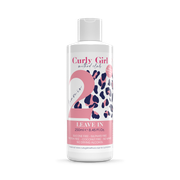
Curly Girl Method Club
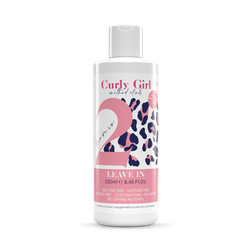
Curly Girl Method Club Leave-In Conditioner for Frizz-Free Waves & Curls 250ml
£16.50
Gentle on hair and skin
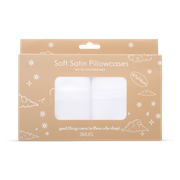
Smug
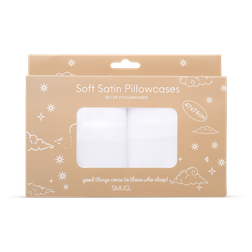
Soft Satin Pillowcase Set - Cloud
£15.00
For all hair types
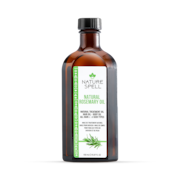
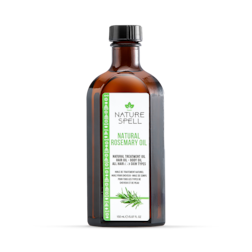
Nature Spell
Nature Spell Rosemary Oil for Hair 150ml
£8.00
Frizzy hair. Some people love it… many don’t. If you're looking for a sleeker finish, you're in the right place. Learn why frizzy hair happens, plus tips for smoother, silkier locks (curly and straight alike)...
What is frizzy hair?
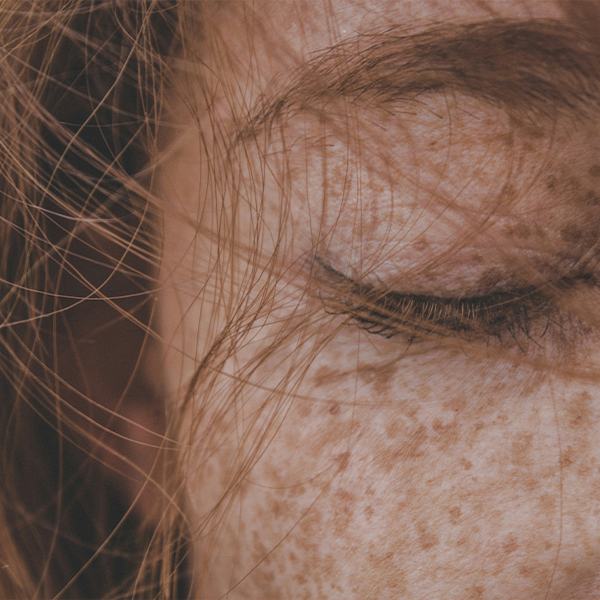
Frizzy hair doesn't align with the hair around it – curling or standing up independently from the rest. This is why it often causes an irregular or fuzzy texture. Some people have naturally frizzy hair, but others' hair becomes frizzier due to damage or humidity (think that Friends episode). Any hair type can become frizzy – and frizz might look different depending on your hair type.
What causes frizzy hair?
Frizz can happen for several reasons, but we've listed a few of the most common causes below...
1. Humidity
The sun's out, your outfit's on point and your hair's looking... triangular. Hot weather and humidity can play a big part in frizzy hair – but why? When hair is damaged or dry, its protective outer layer (the cuticle) begins to lift, allowing moisture to pass through and swell up hair strands.1
2. Hair damage
You've heard it all before, but styling and colouring really can damage your hair without proper care. The more damaged your hair is, the more likely you are to notice extra frizz. This is because damage to the hair can strip away the cuticle, making hair porous and letting in moisture. Damage from hair dye, bleach or heated hair tools can also cause split ends and uneven breakage, creating flyaways that increase the appearance of frizz.
3. Hair type
Any hair type can be frizzy, but some are more susceptible to frizz than others. Curly and wavy hair tends to be more porous than straighter hair and needs more hydration to saturate it (important for a well-defined curl).2 These hair types might also need more moisture – think hydrating masks and oils – to keep frizz at bay. If you have a coily or Black hair type, it can help to apply these products while wet and leave them in your hair, so consider products like leave-in conditioners, hair oils, mousse or leave-in curl creams.
Straight hair can also be frizzy, especially if it's damaged or naturally coarse. Coarse hair is more prone to dryness, since it's harder for the scalp's natural oils to travel down the hair shaft. Tailoring your haircare to your hair type can help keep it hydrated and sleek, no matter if it's curly, straight, wavy or somewhere in between.
9 tips for frizz-free hair
The best way to tame frizzy hair in the future is prevention. So, here are some simple tips you can follow at home...
1. Get a trim
Giving dry and dead ends the snip is one of the best ways to tackle frizz. This is because split ends can travel up the hair follicle and cause even more damage. If you live somewhere with high humidity, consider a haircut with blunt ends to help keep hair weighed down.
3. Don’t scrimp on conditioner
Conditioning your hair is important for keeping it smooth – using a good conditioner helps your hair retain its natural moisture and protection after shampoos strip it (even the gentlest ones may strip away at least some moisture, unfortunately). Consider a hair oil for added nourishment too. Some people find the ‘squish to condish’ method useful, where you scrunch your hair as you rinse out your conditioner to create defined curl clumps instead of frizz.
4. Switch to a microfibre towel
Microfibre towels are thought to be gentler on hair than a traditional bath towel. They're densely woven with fine fibres, helping reduce the friction that contributes to frizz while towel drying.
5. Don’t brush right before or after drying
Brushing your hair during this time can cause it to fray and ultimately frizz. Use your fingers to gently manoeuvre the hair while your dry it instead. If you must brush, use a wide-toothed comb as they're less likely to cause disruption to your natural hair follicle shape.
6. Use a diffuser when blow-drying
Reducing the amount of direct heat and forceful air on your hair limits it from moving, which helps create less friction and frizz. This is especially great for those with naturally wavy or curly hair to allow your hair to dry looking bouncy, rather than frizzy.
7. Let your hair dry 90% before blow-drying
Doing this can make a heap of difference to your hair as it helps the strands dry without disruption. Keep the dryer at least six inches away from your head and move it around to avoid overheating certain sections.
8. Turn down the heat
Been ignoring the 'cool' switch on your hairdryer? Consider a lower setting for less heat-related damage and always use a heat protection spray before drying.
9. Consider a silk pillowcase
Swapping your cotton pillowcase for silk or wearing a silk bonnet allows your hair to beautifully flow over the fabric while you sleep, rather than get snagged by it. It feels pretty luxurious too...
Frizzy hair FAQs
It depends on why your hair is frizzy in the first place. Some people can improve their frizzy hair by following the tips above, but it may never be permanently perfectly sleek. This could be due to your genetics or the environment you live in.
Generally speaking, products for damaged or dry hair should also help you to reduce hair frizz. Focus on hydration, for example hair oils, conditioners and mask.
Unfortunately, washing can be a recipe for creating frizz – but that's not to say you should ditch the shower. Your hair might be frizzier after washing due to reasons like: a shampoo that's too harsh, using too much heat when styling, not using heat protection, brushing while wet or scrubbing your hair with a rough towel.
The Curly Girl Method is a styling routine designed for naturally curly, coily or wavy hair. It's designed to help define waves and curls and reduce frizz after washing your hair. It's popular on social media, where techniques and products differ – so look for someone with a similar hair type to you for guidance on where to start.
The final say
Frizzy hair isn't bad hair – so celebrate yours if you like! But in some cases it's a result of less healthy hair, so the tips above could help you on your way to smoother and more hydrated locks. While you're here, tame frizz and add shine with our top hair oils or learn which vitamins we need for healthy hair...
Disclaimer – This article provides informational advice and is not a substitute for medical care. Working with experts for accuracy, we take great care to ensure the information is up-to-date and relevant. However, you should always consult your GP or healthcare professional before using supplements or alternative products, particularly if you have medical conditions or are under supervision.
1. Gamez-Garcia M. Understanding the micro-physical and mechanical properties of the hair cuticle via damage analysis. 2006 Sep [cited 2026 Jul 22]. Available from: https://www.researchgate.net/profile/Manuel-Gamez-Garcia/publication/283637447_Understanding_the_micro-physical_and_mechanical_properties_of_the_hair_cuticle_via_damage_analysis/links/5cc4b609299bf1209784ccbe/Understanding-the-micro-physical-and-mechanical-properties-of-the-hair-cuticle-via-damage-analysis.pdf Physics.aps.org. The Mechanics of Curly Hair [Internet].
2. Physics.aps.org [reviewed 2023 Apr 20; cited 2026 Jul 22]. Available from: https://physics.aps.org/articles/v16/65 BreastCancer.org. Menopausal Hair Changes [Internet].
3. BreastCancer.org [reviewed 2024 Jan 30; cited 2026 Jul 22]. Available from: https://www.breastcancer.org/treatment-side-effects/menopause/hair-changes
4. European Commission. CosIng – GLYCERIN [Internet]. European Commission [cited 2026 Jul 22]. Available from: https://ec.europa.eu/growth/tools-databases/cosing/details/34040
5. European Commission. CosIng – ARGAN OIL ISOSTEARYL ESTERS [Internet]. European Commission [cited 2026 Jul 22]. Available from: https://ec.europa.eu/growth/tools-databases/cosing/details/91123
Related to this article