20% off £40 or 15% off £30
Tea vs coffee: how much caffeine is really in your cup?

Written byAnnabel Francis

Reviewed byLaura Jennings
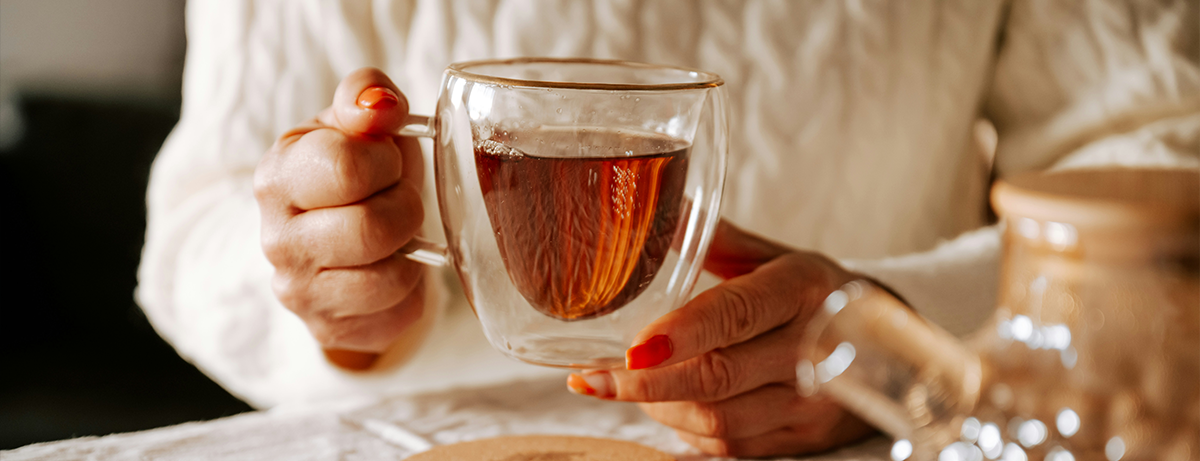
Wondering how much caffeine is in tea compared to coffee? From decaf drinks to hidden sources, here’s a handy guide to caffeine levels so you can choose what suits you best
Summary
1Is caffeine good for you?
Caffeine affects everyone a little differently but is considered safe for most people in moderation. How it affects you can depend on your sensitivity
2Tea vs coffee: which contains more caffeine?
Coffee usually contains more caffeine than tea, but the exact amount can vary depending on the type, serving size and how it’s prepared.
3Some surprising sources of caffeine
Caffeine isn’t just found in tea and coffee – small amounts can also turn up in foods and drinks like chocolate, desserts and even some cereals.
Many of us assume coffee has much more caffeine than tea, but is that always the case? If you're worried about your caffeine levels, then switching up your beloved brew could be a good place to start. Lots of us enjoy a brew for the taste, as a daily ritual or to help us feel more alert – or even a mix of all three. After all, us Brits drink around 100 million cups of tea and 98 million cups of coffee every single day.1,2 But while both contain caffeine, the amount in your cup can vary more than you might expect.
So, whether you’re cutting back, switching to decaf or just curious about what’s in your mug, here’s a clear look at caffeine in tea vs coffee – plus where else it can quietly creep into your diet.
What is caffeine?
Caffeine is a natural stimulant that affects your central nervous system. It works by speeding up messages between your brain and body, which can help you feel more awake and focused.3
You’ll find caffeine in plants such as coffee beans, tea leaves, cocoa beans and kola nuts. That’s why it turns up in drinks like coffee, tea and cocoa, as well as chocolate and some soft drinks.
Is caffeine good for you?
Caffeine affects everyone a little differently. Research suggests that moderate tea or coffee consumption is generally safe for most people and doesn’t appear to harm health. Some research even suggests that drinking three to five daily cups of coffee is associated with a lower risk of type 2 diabetes and cardiovascular disease.4 However, these findings come from observational studies, which show patterns but can’t confirm that coffee itself is responsible.
Some people are also more sensitive to it and may prefer to limit how much they have, finding that caffeine affects their sleep, makes them feel jittery or anxious or simply doesn’t agree with them.5 In those cases, reducing intake or choosing decaf options can be a helpful way to enjoy tea or coffee without unwanted effects.
How much caffeine is in a cup of coffee?
Coffee generally contains more caffeine than tea, but the exact caffeine content depends on the type, strength and how it’s brewed. As a rough guide:6
- brewed coffee (200-250ml): 90–150mg
- espresso (30-60ml): 60-120mg
- latte (250-450ml): 63–175mg
- decaf coffee (400ml): 2–12mg7
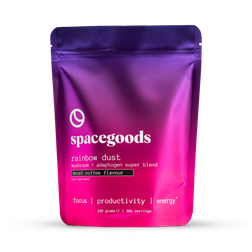
Spacegoods
£39.00
£16.25/100 g
How much caffeine is in a cup of tea?
Tea tends to contain less caffeine than coffee, though this varies by type:
- green tea (250ml): around 30-50mg
- black tea (250ml): around 47-55mg6
- matcha (half a teaspoon): around 30-40mg
- herbal teas: caffeine-free, as long as they don’t contain green or black tea which has caffeine in
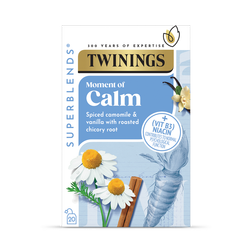
Twinings
£3.79
£0.19/1 Sachet
Tea vs coffee: which contains more caffeine?
If you’re choosing between tea and coffee purely on caffeine, coffee usually has more in. A typical cup of coffee contains around double the caffeine of black tea, meaning it generally contains more caffeine per cup. That said, it’s not a one-size-fits-all answer. Brewing time, portion size, bean or leaf type and preparation method can all influence how much caffeine ends up in your cup.8
Does decaf coffee contain caffeine?
Yes – but only a small amount. An average cup of decaf coffee contains around 2–15mg of caffeine, compared with 95-200mg in a regular cup.9,10 In decaf coffee, most of the caffeine – at least 97% of it – will be removed from the beans, meaning a very small amount of caffeine will remain.11
Does decaf tea contain caffeine?
Decaf tea isn’t completely caffeine-free either, but the levels are very low. Decaf tea should contain 96% less caffeine than regular tea, around 2mg per 200ml cup, compared to 50mg in regular tea.12 That’s much lower than regular tea, but not completely caffeine-free, which makes it a gentler option if you’re looking to cut back on caffeine without giving up tea altogether.
Some surprising sources of caffeine
Tea and coffee aren’t the only places caffeine shows up. You might be getting unexpected sources of caffeine from everyday foods and drinks without even realising it, like the following:
- chocolate: caffeine occurs naturally in cocoa beans, so most chocolate contains at least a little. As a rule, the darker the chocolate, the more caffeine it’s likely to contain13
- ice cream and frozen yoghurt: although you wouldn’t think it, these can contain noticeable amounts of caffeine, particularly coffee or chocolate-flavoured varieties
- breakfast cereals: some cereals, particularly chocolate-flavoured varieties, may contain caffeine due to added cocoa or chocolate ingredients
- desserts: puddings made with chocolate or coffee, like tiramisu or chocolate mousse, can have small amounts of caffeine in them
What drinks don’t contain caffeine?
If you’re looking to avoid caffeine altogether, these drinks are naturally caffeine-free:
- chamomile tea
- peppermint tea
- rooibos tea
- lemon and ginger tea
- turmeric milk
- nettle tea
- barley, rye or chicory drinks
- lemon water
Tea and coffee FAQs
Caffeine is also found in energy drinks varying between 80-200mg per can depending on the brand and size, and sugar-free caffeinated soft drinks with around 30-40mg.6,14 And let’s not forget kombucha which provides small amounts of caffeine (typically under 15mg). Hot chocolate isn’t caffeine-free either, but it’s usually low, with around 2-7mg per cup.15
Caffeine occurs naturally in cocoa or cocoa powder, so chocolate, chocolate-flavoured cereals and desserts made with chocolate or coffee can contain small amounts.
Decaf coffee still contains many of the same plant compounds as regular coffee, including antioxidants and small amounts of minerals like magnesium and potassium. Decaffeinated tea also provides antioxidants from the tea leaves. If you’re reducing caffeine, these drinks can be a lower-caffeine way to enjoy the flavour of tea or coffee while still getting many of their naturally occurring compounds.16
Mushroom coffee is usually made by blending coffee with powdered mushroom extracts. Most mushroom coffees contain some caffeine but usually less than regular coffee. The amount depends on the blend, so it’s best to check the label.
Matcha tea can contain similar or even higher levels of caffeine than coffee when compared gram for gram. Matcha typically contains around 18.9–44.4mg of caffeine per gram, while most coffee beans contain around 10.0–12.0mg per gram.17 That said, a typical cup of coffee is often larger and may still deliver more caffeine overall. Matcha also contains L-theanine – an amino acid found in tea leaves that can help balance out the feeling of overstimulation from caffeine.18 Some people therefore find that caffeine in tea feels different to coffee, but experiences can vary between individuals.
The final say
So, how do tea and coffee compare when it comes to caffeine? Tea and coffee both contain it, but coffee usually delivers more per cup. ‘Decaf’ options can help lower your intake, although they’re not completely caffeine-free – so be aware and check the label. It’s also worth remembering that caffeine isn’t limited to your morning brew or your coffee fix. Small amounts can crop up in places you might not expect, from chocolate and soft drinks to a few unexpected foods.
Whether you’re firmly team tea, loyal to your morning coffee or somewhere in between, being aware of how much caffeine you’re having can help you make choices that suit your routine. Still curious about caffeine? Read our guide on how it affects the absorption of vitamins and minerals, or explore our favourite caffeine-free teas.
Disclaimer – This article provides informational advice and is not a substitute for medical care. Working with experts for accuracy, we take great care to ensure the information is up-to-date and relevant. However, you should always consult your GP or healthcare professional before using supplements or alternative products, particularly if you have medical conditions or are under supervision.
1. British Coffee Association. Coffee Consumption [Internet]. British Coffee Association. 2024. Available from: https://britishcoffeeassociation.org/coffee-consumption/
2. This is why the British drink so much tea: Reader’s Digest. 2021. Available from: https://www.rd.com/article/why-british-drink-tea/
3. Fiani B, Zhu L, Musch BL, Briceno S, Andel R, Sadeq N, Ansari AZ. The Neurophysiology of Caffeine as a Central Nervous System Stimulant and the Resultant Effects on Cognitive Function. Cureus. 2021 May 14;13(5):e15032. Available from: https://pmc.ncbi.nlm.nih.gov/articles/PMC8202818/
4. Bristol U of. March: Caffeine and type 2 diabetes risk | News and features | University of Bristol [Internet]. www.bristol.ac.uk. Available from: https://www.bristol.ac.uk/news/2023/march/caffeine-type2-diabetes.html
5. Low JJL, Tan BJW, Yi LX, Zhou ZD, Tan EK. Genetic Susceptibility to Caffeine Intake and Metabolism: a Systematic Review. Journal of Translational Medicine [Internet]. 2024 Oct 22;22(1):961. Available from: https://pubmed.ncbi.nlm.nih.gov/39438936/
6. European Food Safety Authority. Scientific Opinion on the safety of caffeine. EFSA Journal. 2015 May;13(5). Available from: https://efsa.onlinelibrary.wiley.com/doi/epdf/10.2903/j.efsa.2015.4102
7. McCusker RR, Fuehrlein B, Goldberger BA, Gold MS, Cone EJ. Caffeine Content of Decaffeinated Coffee. Journal of Analytical Toxicology. 2006 Oct 1;30(8):611–3.
8. Olechno E, Puścion-Jakubik A, Zujko ME, Socha K. Influence of Various Factors on Caffeine Content in Coffee Brews. Foods. 2021 May 27;10(6):1208.
9. McCusker RR, Fuehrlein B, Goldberger BA, Gold MS, Cone EJ. Caffeine Content of Decaffeinated Coffee. Journal of Analytical Toxicology. 2006 Oct 1;30(8):611–3.
10. Regina Ewa Wierzejska, Iwona Gielecińska. Evaluation of the Caffeine Content in Servings of Popular Coffees in Terms of Its Safe Intake—Can We Drink 3–5 Cups of Coffee per Day, as Experts Advise? Nutrients [Internet]. 2024 Jul 23;16(15):2385–5. Available from: https://www.mdpi.com/2072-6643/16/15/2385
11. Brown T. Decaf coffee - under the spotlight [Internet]. British Coffee Association. 2021. Available from: https://britishcoffeeassociation.org/decaf-coffee-under-the-spotlight/
12. British Heart Foundation. Decaf tea coffee bad for you [Internet]. British Heart Foundation. 2025. Available from: https://www.bhf.org.uk/informationsupport/heart-matters-magazine/nutrition/ask-the-expert/decaf-tea-coffee-bad-for-you
13. Does Hot Chocolate Have Caffeine? Versus Coffee, Tea, and More. Healthline [Internet]. Available from: https://www.healthline.com/health/food-nutrition/does-hot-chocolate-have-caffeine#hot-chocolate-vs.-coffee
14. Antonio J, Newmire DE, Stout JR, Antonio B, Gibbons M, Lowery LM, et al. Common questions and misconceptions about caffeine supplementation: what does the scientific evidence really show? Journal of the International Society of Sports Nutrition. 2024 Mar 11;21(1).
15. Health I. Does Chocolate Have Caffeine? [Internet]. Integrishealth.org. 2023. Available from: https://integrishealth.org/resources/on-your-health/2023/november/does-chocolate-have-caffeine
16. Ramli NNS, Alkhaldy AA, Mhd Jalil AM. Effects of Caffeinated and Decaffeinated Coffee Consumption on Metabolic Syndrome Parameters: A Systematic Review and Meta-Analysis of Data from Randomised Controlled Trials. Medicina. 2021 Sep 11;57(9):957.
17. Kochman J, Jakubczyk K, Antoniewicz J, Mruk H, Janda K. Health Benefits and Chemical Composition of Matcha Green Tea: A Review. Molecules. 2020 Dec 27;26(1):85. doi: 10.3390/molecules26010085. PMID: 33375458; PMCID: PMC7796401.
18. Edward R Payne et al (Camellia sinensis) October 2025. Bioactive Compounds l-Theanine or l-Theanine plus Caffeine on Cognition, Sleep, and Mood in Healthy Participants: A Systematic Review and Meta-Analysis of Randomized Controlled Trials, Nutrition Reviews, Volume 83, Issue 10.
Related to this article