20% off £40 or 15% off £30
Sea kelp benefits: can it improve hair growth?

Written byOlivia Rosenvinge

Reviewed byChandni Vadgama

Discover whether sea kelp is the secret to shinier hair and why this ocean-grown ingredient’s turning heads in beauty
Summary
1What is sea kelp?
Kelp describes over 100 species of algae that grow on the ocean floor. Their unique structures create homes for sea creatures of all kinds.
2Can sea kelp support hair growth?
Sea kelp is a rich source of iodine, a mineral involved in cognitive function, normal skin health, thyroid function and more.
3What are other benefits of sea kelp?
Kelp contains about 170mg calcium per 100g – that's about the same, gram for gram, as a serving of cream cheese.
From daily supplements to hair care, sea kelp is making waves in the wellness world. One popular question is whether it’s good for your hair (there's got to be a reason mermaids have such flowing locks). This ocean veg is often blended into smoothies or taken as a daily supplement, since it’s rich in minerals and naturally high in iodine. But what exactly is sea kelp and why would you add it to your routine? We ask H&B Nutritionist Olivia Rosenvinge for a little help understanding kelp...
What is sea kelp?
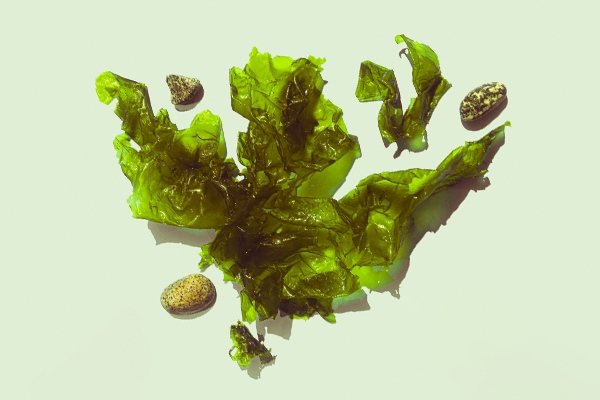
Kelp describes over 100 species of large brown algae that grow on the ocean floor. Their unique, multi-layered structures create homes for sea creatures of all kinds, from sea snails and fish to seals.1 Kelp also absorbs large amounts of carbon and plays a significant role in protecting the climate.1
It’s also a super-nutritious food source – even for humans. Sea kelp provides fibre, omega-3 fatty acids, essential amino acids and vitamins A, B, C and E.1 It's been eaten by Indigenous populations for years and so it’s no surprise that sea kelp supplements have entered the high street, from kelp powder to seaweed tablets.
Can sea kelp support hair growth?
Sea kelp is a rich source of iodine, a mineral involved in cognitive function, normal skin health, thyroid function and more.2-4 Other food sources of iodine include seafood, dairy products and eggs. Most people in the UK get enough iodine from their diets, though it might be more difficult to get if you’re vegetarian or vegan.5,6
There aren’t any official claims to suggest that sea kelp directly helps hair health, but according to Olivia: “iodine is essential for the production of thyroid hormones (T3 and T4), which help regulate metabolism and hair follicle function. Thyroid hormones play an important role in maintaining the hair growth cycle. However, there’s currently very limited direct clinical evidence that sea kelp itself improves hair growth, unless there’s an underlying iodine deficiency.”
What are other benefits of sea kelp?
It’s not all about the iodine. For example, kelp contains about 170mg calcium per 100g – that's about the same, gram for gram, as a serving of cream cheese.7,8 Calcium supports normal muscle function and the maintenance of normal bones, plus it’s particularly important for preserving bone mass during and after menopause.9-11 So, a serving of sea kelp is a small step towards looking after your everyday wellness.
Can sea kelp support thyroid health?
Extremely low or high thyroid function can lead to thyroid disorders (hypothyroidism and hyperthyroidism, also called an underactive and an overactive thyroid respectively). These conditions may cause fatigue and changes to your weight, mood, metabolism and temperature regulation among other symptoms.12-14
So, sea kelp’s high iodine content may contribute to normal thyroid health – but it likely won’t make a difference if you already have a normal thyroid. If you think you have a thyroid condition, you should talk to your GP before taking any supplements.
Are there any risks of sea kelp supplements?
“Yes. Sea kelp supplements can contain very high and highly variable levels of iodine,” Olivia explains. “Excessive intake may trigger thyroid dysfunction, including hypothyroidism or hyperthyroidism. The American Thyroid Association advises against iodine or kelp supplements providing more than 500mcg iodine daily, noting that intakes above 1,100mcg per day may cause thyroid dysfunction.”15
It’s also worth noting that kelp may contain heavy metals (since it absorbs pollutants from the ocean). So, while you can eat small amounts safely, it shouldn’t be a major part of your diet.16 As with any supplements, it’s best to consult a medical professional before you try anything new. Different supplements will contain different amounts of kelp and its nutrients, so be sure to check individual labels too.
Do I need sea kelp supplements?
If you’re thinking about the iodine content, most people get enough from their daily diet.6 It can be harder if you’re vegetarian or vegan, but plant milks are often fortified with iodine too.5 According to the NHS, most people need around 140μg iodine per day, and taking 0.5mg or less a day of iodine supplements is unlikely to cause harm.5 If you want to take sea kelp for hair health, it’s unlikely to make a difference unless you have underlying thyroid issues.
Sea kelp FAQs
If you’re taking a sea kelp supplement, most are designed to be taken daily – but you should always follow the instructions on the label. According to the Association of UK Dietitians (BDA), you should only eat sea kelp a maximum of once per week, especially if you’re pregnant, due to its high iodine content.17
Kelp is exceptionally high in iodine. So, while it’s higher in iodine than foods like meat, it’s not recommended to eat more than one portion a week.17 You can also buy other forms of iodine supplements, often made with synthetic iodine. Kelp supplements aren’t any ‘better’ or worse, but they might provide small amounts of other vitamins and minerals like calcium. However, it's also worth noting that synthetic iodine may have more predictable quantities of iodine than iodine derived from food sources like kelp.18
Technically, no. Kelp is one type of seaweed, but not all seaweed is kelp. Kelp specifically thrives in cold, nutrient-rich water and they tend to grow into large kelp ‘forests’. Other types of seaweed might not need these conditions.19
Yes, there are many types of edible kelp. As well as kelp supplements, people eat kelp like wakame in Japanese cuisine (think the seaweed in miso soup) and you can find kelp crisps, kelp noodles and umami kelp seasonings. It’s possible to forage for kelp, but we highly recommend doing plenty of research first to stay safe.
Spotted kelp in the ocean of skincare trends? There are no official claims to say that every kind of seaweed is good for your skin, but certain types have approved benefits. For example, a brown kelp called laminaria cloustani and kombu (laminaria japonica) are both approved by the European Commission for their ‘skin protecting’ qualities.16,20
The final say
While it’s a tasty veg with a good range of nutrients, sea kelp likely won’t help your hair unless you have an underlying thyroid problem. Even then, it’s not to be relied on to help any medical conditions – that's your doctor’s job! If you’re still curious about healthier hair, learn why protein’s so important for hair or see our top shampoos and conditioners for all hair types...
Disclaimer – This article provides informational advice and is not a substitute for medical care. Working with experts for accuracy, we take great care to ensure the information is up-to-date and relevant. However, you should always consult your GP or healthcare professional before using supplements or alternative products, particularly if you have medical conditions or are under supervision.
1. World Resources Institute. What is Kelp and Why is it Vital to People and the Planet? [Internet]. World Resources Institute [reviewed 2023 May 2; cited 2026 Jun 2]. Available from: https://www.wri.org/insights/what-kelp-forests-protect
2. European Commission. Characteristics [Internet]. European Commission [cited 2026 Jun 2]. Available from: https://ec.europa.eu/food/food-feed-portal/screen/health-claims/eu-register/details/POL-HC-6385
3. European Commission. Characteristics [Internet]. European Commission [cited 2026 Jun 2]. Available from: https://ec.europa.eu/food/food-feed-portal/screen/health-claims/eu-register/details/POL-HC-6388
4. European Commission. Characteristics [Internet]. European Commission [cited 2026 Jun 2]. Available from: https://ec.europa.eu/food/food-feed-portal/screen/health-claims/eu-register/details/POL-HC-6389
5. NHS. Vitamins and minerals – Iodine [Internet]. NHS [reviewed 2020 Aug 3; cited 2026 Jun 2]. Available from: https://www.nhs.uk/conditions/vitamins-and-minerals/iodine/
6. GOV.UK. National Diet and Nutrition Survey 2019 to 2023: repotrt [Internet]. GOV.UK [reviewed 2025 Jun 11; cited 2026 Jun 2]. Available from: https://www.gov.uk/government/statistics/national-diet-and-nutrition-survey-2019-to-2023/national-diet-and-nutrition-survey-2019-to-2023-report
7. Nutritics.com [cited 2026 Jun 2].
8. International Osteoporosis Foundation (IOF). Calcium content of common foods [Internet]. IOF [cited 2026 Jun 2]. Available from: https://www.osteoporosis.foundation/patients/prevention/calcium-content-of-common-foods
9. European Commission. Characteristics [Internet]. European Commission [cited 2026 Jun 2]. Available from: https://ec.europa.eu/food/food-feed-portal/screen/health-claims/eu-register/details/POL-HC-6342
10. European Commission. Characteristics [Internet]. European Commission [cited 2026 Jun 2]. Available from: https://ec.europa.eu/food/food-feed-portal/screen/health-claims/eu-register/details/POL-HC-6346
11. European Commission. Characteristics [Internet]. European Commission [cited 2026 Jun 2]. Available from: https://ec.europa.eu/food/food-feed-portal/screen/health-claims/eu-register/details/POL-HC-8472
12. NHS. Underactive thyroid (hypothyroidism) [Internet]. NHS [reviewed 2025 Apr 28; cited 2026 Jun 2]. Available from: https://www.nhs.uk/conditions/underactive-thyroid-hypothyroidism/
13. NHS. Overactive thyroid (hyperthyroidism) [Internet]. NHS [reviewed 2023 Apr 11; cited 2026 Jun 2]. Available from: https://www.nhs.uk/conditions/overactive-thyroid-hyperthyroidism/
14. National Institutes of Health (NIH). Iodine – Health Professionals [Internet]. NIH [reviewed 2024 Nov 5; cited 2026 Jun 2]. Available from: https://ods.od.nih.gov/factsheets/Iodine-HealthProfessional/
15. American Thyroid Association. American Thyroid Association (ATA) Issues Statement On The Potential Risks Of Excess Iodine Ingestion And Exposure [Internet]. American Thyroid Association [reviewed 2013 Jun 5; cited 2026 Jun 2]. Available from: https://www.thyroid.org/american-thyroid-association-ata-issues-statement-on-the-potential-risks-of-excess-iodine-ingestion-and-exposure
16. National Library of Medicine (NIH). Kelp. LiverTox®: Clincal and Research Information on Drug-Induced Liver Injury [Internet]. NIH [cited 2026 Jun 2]. Available from: https://www.ncbi.nlm.nih.gov/books/NBK601838/
17. The Association of UK Dietitians (BDA). Iodine [Internet]. BDA [reviewed 2022 Nov; cited 2026 Jun 2]. Available from: https://www.bda.uk.com/resource/iodine.html
18. Aakre I et al. Commercially available kelp and seaweed products – valuable iodine source or risk of excess intake? Food Nutr Res [Internet]. 2021 Mar 30 [cited 2026 Jun 2]; 65:10. Available from: https://pmc.ncbi.nlm.nih.gov/articles/PMC8035890/
19. UN Environment Programme. Seaweeds & kelp [Internet]. UN Environment Programme [reviewed 2026 Feb 26; cited 2026 Jun 2]. Available from: https://www.unep.org/topics/ocean-seas-and-coasts/blue-ecosystems/seaweeds-kelp
20. European Commission. Ingredient: LAMINARIA JAPONICA EXTRACT [Internet]. European Commission [cited 2026 Jun 2]. Available from: https://ec.europa.eu/growth/tools-databases/cosing/details/78339
Related to this article