20% off £40 or 15% off £30
Rosehip oil for face and body: how to use it in your routine

Written byEloise Wright

Reviewed byHeeral Tomlinson

Ready for your skincare to bloom? Give your routine a silky little upgrade and find out how rosehip oil can nourish your skin from head to toe – or rather, from face to cuticles
Summary
1What is rosehip oil?
It's a nourishing plant oil that’s often used in skincare for dry, dull or uneven-looking skin.
2How to use rosehip oil
Apply two to three drops after your serum and moisturiser, or mix a little into your face cream.
3What to pair rosehip oil with
Rosehip oil works well with hydrating ingredients like hyaluronic acid, ceramides, squalane and vitamin C.
Rosehip oil has climbed its way up to being one of skincare’s most-loved facial oils – and it’s easy to see why. Lightweight, nourishing and naturally rich in fatty acids, it’s the kind of multitasker that can slot into a morning glow routine, an evening moisture boost or even a quick cuticle-care moment.1,2 But as with most oils, the real trick is knowing how to use rosehip oil properly. Should it go before or after moisturiser? Can you use it with serums? And is it best saved for night-time? Here’s how to make rosehip oil work harder in your routine, from your face and body to your hair and nails.
What is rosehip oil?
It’s a plant-based oil usually pressed from the seeds of rosehips – which are the fruit left behind after a rose has flowered. It’s different from rose oil, which is usually extracted from rose petals and is more commonly used for fragrance.
Rosehip oil is naturally rich in fatty acids, including linoleic, alpha-linolenic and oleic acids.
Rosehip and rosehip seed oil have also been studied for their carotenoid, phenolic and antioxidant content (ingredients that can help protect against external skin-stressors like pollution), which helps explain why the ingredient has become such a regular in facial oils, overnight oils and barrier-supporting blends.1,2,3
How do you use rosehip oil?
The simplest way to use rosehip oil is to apply a few drops to clean skin, either on its own or layered with your usual skincare. For the face, start with two to three pea-sized drops, warm them between your palms and press the oil gently into your skin. A rule of thumb? Apply skincare from thinnest to thickest. That usually means cleanser first, then toner or mist if you use one, then water-based serums, moisturiser and finally facial oil. And remember, the more delicate you are with your skin, the better.
When should you apply rosehip oil?
You can apply rosehip oil in the morning or evening, depending on your skin type and routine. Here’s a simple rosehip oil skincare routine to get you started.
Morning routine
Cleanse, apply a hydrating serum, follow with moisturiser, then press one to two drops of rosehip oil over dry areas if needed. Always finish with SPF, especially if you’re using glow-supporting ingredients like vitamin C or exfoliating acids elsewhere in your routine.8,9 If you use those kinds of products, your skin will be more sensitive to the UVs and will therefore benefit from the extra protection against the rays.9
Evening routine
Cleanse, apply your serum or treatment, then use moisturiser and two to three drops of rosehip oil as the final nourishing step. Night-time is often the easiest place to start, as you don’t need to worry about how it sits under make-up or sunscreen. Our top tip? If your skin feels oily or congested, use rosehip oil a few nights a week to begin with. If your skin is dry or comfortable with oils, you may prefer using it daily.
Do you apply rosehip oil before or after moisturiser?
Most people will prefer applying rosehip oil after moisturiser. Moisturisers usually contain water-based hydrating ingredients, while oils are more occlusive, meaning they can help lock everything in.1 That said, there’s some flexibility. You can apply rosehip oil before moisturiser if your skin prefers it, or mix one to two drops directly into your face cream. The best test is how your skin feels afterwards – comfortable and soft is the goal, not greasy or overloaded.
How to use rosehip oil
Here’s a breakdown of how to use rosehip oil for your different body parts.
For the face, rosehip oil works best when used in small amounts. After cleansing and applying your serum or moisturiser, warm two to three drops between your fingers and press gently over your cheeks, forehead and chin. You can also use it more strategically. Try one drop over dry patches, around areas that feel tight or across the tops of cheekbones for a healthy-looking glow. Avoid getting it too close to the eyes, and stop using it if you notice irritation, stinging or breakouts that don’t settle.
Rosehip oil can be used on the body wherever skin feels dry or in need of extra care. Massage a few drops into damp skin after a bath or shower, or as the finishing step after your usual body lotion for a richer feel. It’s especially handy for elbows, knees, shins and other areas that can feel rough or dry. If you’re using it over a larger area, a rosehip body oil or oil blend may be easier than using a small facial oil bottle.
Rosehip oil can be used sparingly on dry ends, flyaways or frizz-prone areas. Rub one to two drops between your palms, then smooth lightly over the mid-lengths and ends, avoiding the roots unless your scalp is very dry. You can also use it as a pre-wash treatment. Apply a small amount through the ends of your hair, leave it for 20-30 minutes, then shampoo as usual. Fine hair may only need a tiny amount, while thicker or curly hair may tolerate a little more.
For nails and cuticles, rosehip oil is wonderfully low-effort. Add one drop to each hand, then massage it into your cuticles and nail beds before bed. This can be a good final step after hand cream, especially if your hands feel dry from washing, cold weather or regular sanitiser use. Keep a bottle by your bedside if you want to turn it into an easy evening habit.
Can you mix rosehip oil with other skincare ingredients?
Yes, rosehip oil pairs well with many hydrating and barrier-supporting ingredients. The main thing is to think of rosehip oil as a nourishing finishing step rather than a replacement for your whole routine.
Rosehip oil and hyaluronic acid
This is one of the easiest pairings. Hyaluronic acid is widely used in topical skincare because it acts as a humectant, helping retain water in the skin.4
Apply hyaluronic acid serum to slightly damp skin first, follow with moisturiser, then press rosehip oil on top. This combination is especially useful if your skin feels dehydrated but you don’t want to use a heavy cream.
Rosehip oil and ceramides
Ceramides are brilliant if you’re trying to support your skin barrier. They’re key lipids in the skin barrier, and topical ceramide formulas are used to help support barrier function.5
Apply your ceramide moisturiser first, then use 1-2 drops of rosehip oil as your final step. This works particularly well in an evening routine or during colder months, when skin can feel more easily stripped.
Rosehip oil and squalane
Squalane is another lightweight oil-like ingredient that helps soften the skin. It’s widely used in cosmetic formulas as a skin-conditioning emollient.6
Try alternating squalane and rosehip oil, or choose a facial oil blend that contains both if you like a more streamlined routine. If layering, use a very small amount to avoid a greasy finish.
Rosehip oil and vitamin C skincare
Rosehip oil can work well in a glow-focused routine with vitamin C skincare. Use your vitamin C serum in the morning, then moisturiser, then a small amount of rosehip oil if your skin needs it.
Always finish with SPF in the daytime. Topical vitamin C has been studied for its antioxidant role in skin, while sunscreen remains an essential part of daytime photoprotection.7,8,9
What should you not mix rosehip oil with?
Rosehip oil is generally easy to layer, but it’s best to be careful when combining it with strong active ingredients. If you use retinol, exfoliating acids or acne treatments, don’t introduce everything at once. Some people prefer not to use rosehip oil in the same routine as retinol, as sensitive skin may find the combination too much.
A cautious approach would be to use retinol on some nights and rosehip oil on others or apply rosehip oil only if your skin is already used to your retinoid. You may also want to avoid layering rosehip oil straight after strong products if your skin is sensitive, tingling or over-exfoliated. When in doubt, keep the routine simple: cleanse, moisturise, rosehip oil and SPF in the morning.9 Don’t forget to always read and follow instructions for use on product label for appropriate use.
The best rosehip oil products to try
Pure rosehip oils
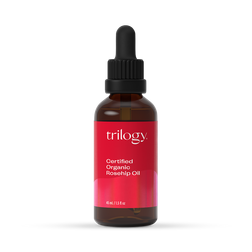
Trilogy
RRP £34.50
£25.87
£57.49/100 ml
A strong option for anyone who wants a classic, straightforward rosehip oil. It’s a good fit if you want a simple facial oil to slot into your morning or evening routine.
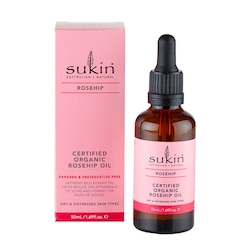
Sukin
£21.50
£43.00/100 ml
A larger-size option for face and body use. This could be a good choice if you want rosehip oil for dry-feeling areas beyond your face, such as elbows, knees or shins.
Rosehip facial oil blends
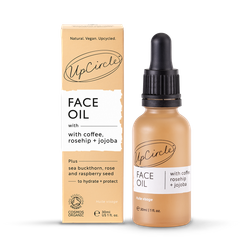
UpCircle
£19.99
£6.66/10 ml
A nice choice if you want rosehip in a blended facial oil rather than a pure single-ingredient oil. The jojoba pairing makes it a good option for people looking for a slightly more rounded oil blend.
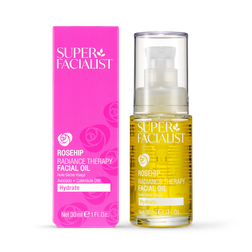
Super Facialist
£16.00
£5.33/10 ml
A good fit for those who want a more traditional facial oil format with rosehip as the star of the show. It ticks the ‘evening glow’ or ‘dry skin routine’ boxes nicely.
Rosehip oils for an evening routine
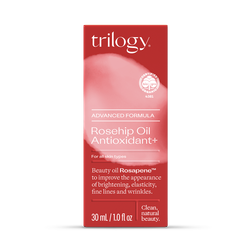
Trilogy
RRP £36.85
£27.63
£9.21/10 ml
A good upgrade option for those who already like rosehip oil and want a more targeted facial oil. Try this if you already use pure rosehip oil and want something that feels a little more targeted.
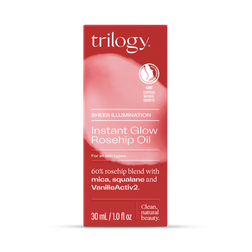
Trilogy
£29.95
£9.98/10 ml
This is a strong fit for anyone who wants a facial oil that is a little more elevated than a basic skincare staple.
Rosehip oil for body care
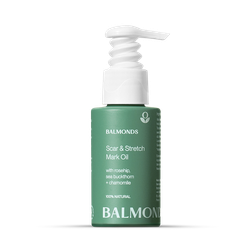
Balmonds
£20.00
£4.00/10 ml
A suitable option for body-focused rosehip use, especially for areas where skin appears dry or stretched. It’s better suited to body-care routines than as an everyday facial oil.
Disclaimer – Every cosmetic product is safety assessed individually and its directions for use are created as part of that process. Always follow the instructions and read any advisory information provided on the specific product before use.
Rosehip oil FAQs
Yes, many people can use rosehip oil every day, especially if their skin is dry, dull or in need of extra nourishment. If you’re new to facial oils or have delicate or blemish-prone skin, introduce it gradually (for example, every other evening) and see how your skin responds. It’s also worth doing a patch test before using rosehip oil for the first time. Apply a small amount to a discreet area, such as behind your ear or on the inside of your arm, and wait 24 hours to check for any signs of irritation.
Some blemish-prone skin types get on well with rosehip oil, but others may find facial oils too rich. Start with a patch test, then try a very small amount a few times a week, ideally on areas that feel dry rather than all over. Avoid layering it with several heavy or occlusive products at once. Stop using it if you notice persistent breakouts, stinging or irritation.
Rosehip oil pairs well with hydrating and barrier-supporting ingredients, including hyaluronic acid, ceramides and squalane. Hyaluronic acid can help skin feel more hydrated, ceramides support the skin barrier and squalane adds lightweight softness.4,5,6 It can also work in a vitamin C skincare routine, especially if you’re building a glow-focused morning routine. We’ve said it before but we can’t stress this enough: always remember to finish with SPF in the daytime.7,9
The final say
Rosehip oil is one of those small but mighty skincare staples that can do a lot with very little effort – which is our favourite kind. Only a few drops can add a nourishing finish to your routine, double up for body, hair and cuticle care, or help make dry-feeling skin feel more soothed and hydrated. The key is to start small, layer it after your moisturiser and introduce it gradually if your skin is sensitive. Once you know how your skin reacts to it, rosehip oil can become a simple, glow-giving step you’ll reach for again and again.
If you’re interested in more expert advice on skincare, read up on retinol, check out our favourite vitamins for healthy- looking skin or peruse our selection of the best hydrating products – and find what’s missing from your skincare shelf.
Disclaimer – This article provides informational advice and is not a substitute for medical care. Working with experts for accuracy, we take great care to ensure the information is up-to-date and relevant. However, you should always consult your GP or healthcare professional before using supplements or alternative products, particularly if you have medical conditions or are under supervision.
1. Lin TK, Zhong L, Santiago JL. Anti-inflammatory and skin barrier repair effects of topical application of some plant oils. Int J Mol Sci. 2018;19(1):70. Available from: https://pmc.ncbi.nlm.nih.gov/articles/PMC5796020/
2. Bakhtiar Z, Eghlima G, Hatami M, et al. Quantification of fatty acids in seed oil and important bioactive compounds in Iranian Rosa canina L. ecotypes for potential cosmetic and medicinal uses. Sci Rep. 2023;13:22721. Available from: https://www.nature.com/articles/s41598-023-50135-y
3. Matei F, et al. The effectiveness of a topical rosehip oil treatment on facial skin characteristics: wrinkles, UV spots and erythema. Cosmetics. 2025;12(3):125. Available from: https://www.mdpi.com/2079-9284/12/3/125
4. Draelos ZD, Diaz I, Namkoong J, Wu J, Boyd T. Efficacy evaluation of a topical hyaluronic acid serum in facial photoaging. Dermatol Ther (Heidelb). 2021;11:1385-1394. Available from: https://link.springer.com/article/10.1007/s13555-021-00566-0
5. Ferreira MS, Magalhães MC, Sousa-Lobo JM, Almeida IF. Recent advances on topical application of ceramides to restore barrier function of skin. Cosmetics. 2019;6(3):52. Available from: https://www.mdpi.com/2079-9284/6/3/52
6. Gęgotek A, et al. Oxidative-inflammatory modulation of skin lipid metabolism by squalane. Cosmetics. 2025;12(4):130. Available from: https://www.mdpi.com/2079-9284/12/4/130
7. Pullar JM, Carr AC, Vissers MCM. The roles of vitamin C in skin health. Nutrients. 2017;9(8):866. Available from: https://pmc.ncbi.nlm.nih.gov/articles/PMC5579659/
8. Al-Niaimi F, Chiang NYZ. Topical vitamin C and the skin: mechanisms of action and clinical applications. J Clin Aesthet Dermatol. 2017;10(7):14-17. Available from: https://pmc.ncbi.nlm.nih.gov/articles/PMC5605218/
9. Chavda VP, Acharya D, Hala V, Daware S, Vora LK. Sunscreens: a comprehensive review with the application of nanotechnology. J Drug Deliv Sci Technol. 2023;86:104720. Available from: https://www.sciencedirect.com/science/article/pii/S1773224723005725
Related to this article