20% off £40 or 15% off £30



Did you know green tea is often linked with weight loss? We found out what the science actually says – from weight management and how much to drink, to what to expect from your daily brew
Summary
1Can green tea help in losing weight?
It may offer modest support for weight management, mainly thanks to its catechins and caffeine, but it’s unlikely to cause major weight loss alone.
2How does green tea work for weight management?
Green tea contains catechins, including EGCG, as well as caffeine. Together, these may slightly increase energy expenditure and fat oxidation.
3How much green tea should I drink to lose weight?
There’s no guaranteed amount, but one to two cups a day can be a sensible starting point for healthy adults who enjoy green tea and tolerate caffeine.
We’re a nation of tea drinkers, so it’s no surprise that green tea has found its way into so many mugs. Some people drink it for its delicate, grassy flavour. Others reach for it as part of a wider wellness or weight-management routine. But does green tea help you lose weight, or is its reputation doing more heavy lifting than the tea itself? The honest answer is that green tea may support weight management in small ways, but it isn’t a quick fix.
So, if you’re wondering whether green tea is good for weight loss, it’s helpful to think of it as a supportive habit rather than a slimming solution. To stop beating around the green tea bush, we asked our internal nutrition expert, Millicent Chapman, what green tea actually does – and doesn’t do – for weight loss.
What is green tea?
It comes from the leaves of the Camellia sinensis plant – the same plant used to make black tea, oolong tea and white tea. The difference comes down to how the leaves are processed. Green tea is made by steaming or pan-frying the leaves soon after picking, then drying them. This helps limit oxidation and preserve more of the plant’s natural compounds. Black tea is fully fermented, while oolong tea is partially fermented.3
As Millicent explains, “green tea naturally contains caffeine and antioxidant plant compounds called polyphenols”. One of the best-known polyphenols in green tea is epigallocatechin gallate (bit of a mouthful, we know), or EGCG, which is a type of catechin (a type of antioxidant).4 These catechins are a key reason green tea is often discussed in relation to weight management, metabolism and wider health.
Does green tea help with lose weight?
Green tea may help support weight management, but the effect is likely to be small. A study looking at green tea for weight loss in overweight or obese adults found that they appeared to produce a small amount of weight loss, but the effect wasn’t considered clinically significant.1 A separate meta-analysis found that catechins, or an EGCG-caffeine mixture, had a small positive effect on weight loss and weight maintenance. However, the researchers also noted that regular caffeine intake and ethnicity may influence how well catechins work.2,3
So, does green tea help you lose weight? Potentially, but not dramatically. It may support some of the processes involved in weight management, such as energy expenditure and fat oxidation, but it won’t override your overall diet, activity levels, sleep, stress or health status. Millicent says “it’s important to keep expectations realistic. A more realistic way to look at green tea for weight loss is this: if you enjoy it, drink it regularly and use it to replace higher-calorie drinks, as it may support a calorie-controlled lifestyle. But if the rest of your routine stays the same, adding green tea alone is unlikely to lead to significant weight loss”.
How does green tea support weight management?
Let’s take a look at three ways it may support weight management.
- The key ingredient of catechins: catechins are natural plant compounds found in green tea, with some research suggesting that green tea catechins may have a small effect on resting metabolic rate, energy expenditure and how the body uses fat as fuel5
- The other piece of the puzzle – caffeine: caffeine is a stimulant and it may slightly increase energy expenditure in the short term. It may also support alertness and may help some people feel more ready to exercise6
- Together, they may do more: some studies suggest that the combination of green tea catechins and caffeine may be more relevant than either compound alone. In one controlled study, green tea extract increased 24-hour energy expenditure and fat oxidation in healthy men, while caffeine alone didn’t produce the same effect6
How much green tea should I drink to lose weight?
There’s no proven number of cups that guarantees weight loss. However, if you’re searching for ‘how much green tea for weight loss’ or ‘how much green tea should I drink to lose weight’, a sensible amount for many healthy adults is around two to three cups a day.
This amount can be a practical way to include green tea in your routine without relying on very high intakes. It may also help you replace higher-calorie drinks, such as sugary coffees, fizzy drinks or creamy lattes, which can support weight management by reducing overall calorie intake.
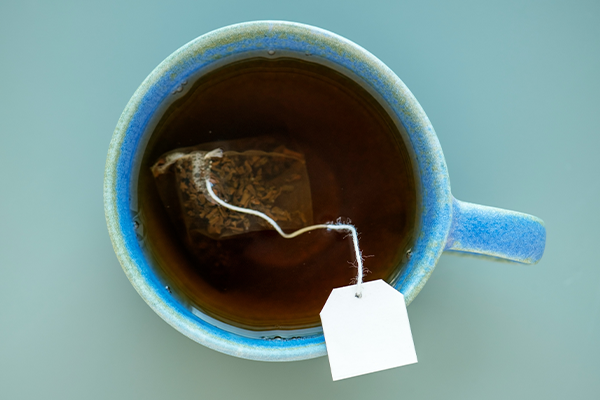
That said, everyone’s caffeine tolerance is different. Green tea contains caffeine, so drinking several cups a day may not suit everyone. The NHS advises pregnant people to limit caffeine intake to no more than 200mg per day.7 If you have high blood pressure, anxiety, sleep issues, are pregnant or breastfeeding, or take regular medication, it’s worth checking with a healthcare professional before increasing your intake.
Is green tea good for weight loss compared with other teas?
Green tea is a strong contender, but it’s not the only tea that can provide benefits to a healthy routine. Black tea, oolong tea and white tea all come from the same plant and can be low-calorie choices when enjoyed without sugar or milk. Herbal teas can also be useful as they can help you stay hydrated or replace higher-calorie drinks. Ultimately, what matters most is the overall habit. If a ‘tea diet’ means replacing meals with tea, using detox teas or relying on laxative-style products, it isn’t a balanced or sustainable approach. But if it means swapping sugary drinks for unsweetened tea as part of a varied diet, green tea can be a simple, low-calorie choice.
Does green tea suppress appetite?
Green tea is sometimes claimed to suppress appetite, but the evidence is mixed. Some studies have looked at whether green tea or green tea extract affects hunger, fullness or calorie intake, but results haven’t been consistent enough to say that green tea is a proven appetite suppressant.1,2 That doesn’t mean it has no role – drinking green tea between meals may help some people feel satisfied simply because it’s warm, hydrating and low in calories. It can also be a welcome moment to pause if you often snack out of habit rather than hunger. So, does green tea suppress appetite? Not reliably. But it may support your routine if it helps you manage cravings, stay hydrated or reduce higher-calorie drink choices.
Can green tea help with belly fat?
Green tea can’t target fat loss from one specific area of the body. Your body decides where fat is lost from, and this varies from person to person. Some research has explored whether green tea catechins may influence abdominal or visceral fat, which is the fat stored around internal organs.1,3 However, the effect is likely to be modest, and green tea shouldn’t be positioned as a solution for losing belly fat. For reducing body fat, including abdominal fat, the strongest approach is still a sustainable calorie deficit, regular movement, enough sleep and a balanced diet.
Green tea benefits for stomach and digestion
A common search term that comes up for green tea are its potential benefits for the stomach. While it isn’t a treatment for digestive issues, some people find warm drinks soothing, especially after meals. If green tea makes you feel nauseous or uncomfortable, try drinking it with food, brewing it more lightly or reducing how much you drink. If you have ongoing stomach pain, reflux, nausea or changes in bowel habits, speak to a healthcare professional rather than relying on green tea or supplements.
Other potential benefits of green tea
While this article focuses on green tea for weight loss, green tea has also been studied for other potential health benefits. These shouldn’t be seen as guaranteed outcomes, but they help explain why green tea is often included in healthy lifestyle routines.
Some studies suggest green tea may be associated with a lower risk of cardiovascular disease and related mortality. A systematic review found that tea consumption was linked with a reduced risk of cardiovascular disease, although the evidence included different types of tea and was largely observational.8 Other research has suggested that green tea may be associated with a lower risk of coronary artery disease, though findings aren’t always consistent.9 This means green tea may have a place in a heart-conscious lifestyle but it shouldn’t be presented as a treatment or prevention strategy on its own.
Clinical studies suggest green tea or green tea extract may help reduce cholesterol by small amounts.10 Again, it’s important to keep expectations realistic. Green tea may support a healthy lifestyle but it shouldn’t replace medical advice, cholesterol-lowering medication or dietary changes recommended by a healthcare professional.
On wider benefits, Millicent adds that “green tea has been studied for several potential health markers, including its possible effects on body fat, blood sugar control and cholesterol levels”. However, these effects are usually small and not always consistent.11
Green tea supplements usually contain concentrated green tea extract. Delivering much higher levels of catechins than a cup of brewed green tea. While they offer more potent effects, research shows benefits and modest and results are mixed.12
As a drink, green tea is considered safe, but supplements are more likely to cause side effects like nausea, constipation, abdominal discomfort and increased blood pressure. Rare cases of liver injury have also been reported.13
The EFSA advises that catechins from tea are generally safe but supplement doses at or above 800mg EGCG per day may pose health concerns.14 So, if you’re considering a green tea supplement, check the label carefully and speak to a healthcare professional first, especially if you have liver problems, take medication, are pregnant or breastfeeding, or already consume caffeine from other sources.
Green tea and weight loss FAQs
Green tea may help support weight management in small ways, but it won’t cause significant weight loss by itself. There is emerging evidence that suggests green tea catechins and caffeine may slightly increase energy expenditure and fat oxidation, but the overall effect is modest.1,2
Green tea can be a good choice as part of a weight-management routine because it’s naturally low in calories when served without sugar or milk. It may also be useful if it replaces higher-calorie drinks but it shouldn’t be treated as a weight-loss cure.
There’s no guaranteed amount of green tea for weight loss but a cup or two a day is a good starting point for many healthy adults.15 If you’re sensitive to caffeine, pregnant, breastfeeding or have a health condition, check with a healthcare professional before increasing your intake.
Green tea isn’t a proven appetite suppressant. Some people may find that a warm, low-calorie drink helps them manage between-meal cravings, but research doesn’t show a consistent appetite-suppressing effect.1,2
A ‘tea diet’ isn’t recommended if it involves replacing meals, skipping food groups or using detox or laxative teas. A healthier approach is to include unsweetened green tea as part of a varied, balanced diet alongside regular movement.
Green tea isn’t a treatment for digestive issues, but it can be a gentle, low-calorie drink for many people. Some people find warm drinks soothing after meals, and drinking green tea may help with hydration. However, it contains caffeine and tannins, which may irritate the stomach in some people, especially when drunk on an empty stomach.
The final say
Green tea can be a smart addition to a weight-management routine, but it isn’t a magic route to weight loss.
Where green tea can really earn its place is as a simple daily swap. Choose plain green tea, enjoy it hot or cold and make it part of a wider lifestyle that includes balanced meals, regular movement and enough sleep. To find a green tea to try, check out our edit of teas with benefits for your perfect brew.
Disclaimer – This article provides informational advice and is not a substitute for medical care. Working with experts for accuracy, we take great care to ensure the information is up-to-date and relevant. However, you should always consult your GP or healthcare professional before using supplements or alternative products, particularly if you have medical conditions or are under supervision.
1. Jurgens TM, Whelan AM, Killian L, Doucette S, Kirk S, Foy E. Green tea for weight loss and weight maintenance in overweight or obese adults. Cochrane Database Syst Rev. 2012;12:CD008650. doi:10.1002/14651858.CD008650.pub2 .
2. Hursel R, Viechtbauer W, Westerterp-Plantenga MS. The effects of green tea on weight loss and weight maintenance: a meta-analysis. Int J Obes. 2009;33(9):956-61. doi:10.1038/ijo.2009.135.
3. Dehzad MJ, Ghalandari H, Fahimzad FS, Maghsoudi Z, Makhtoomi M, Nouri M, et al. Effects of green tea supplementation on obesity indices and adipokines in adults: a grade-assessed systematic review and dose-response meta-analysis of randomised controlled trials. International Journal of Food Sciences and Nutrition. 2025 May 6;76(4):340–69.
4. Almatroodi SA, Almatroudi A, Khan AA, Alhumaydhi FA, Alsahli MA, Rahmani AH. Potential therapeutic targets of epigallocatechin gallate (EGCG), the most abundant catechin in green tea, and its role in the therapy of various types of cancer. Molecules. 2020;25(14):3146. doi:10.3390/molecules25143146.
5. Rondanelli M, Riva A, Petrangolini G, Allegrini P, Perna S, Faliva MA, et al. Effect of acute and chronic dietary supplementation with green tea catechins on resting metabolic rate, energy expenditure and respiratory quotient: a systematic review. Nutrients. 2021;13(2):644. doi:10.3390/nu13020644.
6. Krieger J, Schrautemeier A, Hagele A, Gaige C, Mennemeyer O, Tolbert S, et al. A Randomized Study to Examine the Ability of a Caffeine-Based Energy Drink to Impact Energy Expenditure, Fat Oxidation, and Cognitive Performance. Nutrients [Internet]. 2025 Mar;17(23):3793. Available from: https://pubmed.ncbi.nlm.nih.gov/41374082/
7. NHS. Foods to avoid in pregnancy. London: NHS; 2024. Available from: https://www.nhs.uk/pregnancy/keeping-well/foods-to-avoid/
8. Chung M, Zhao N, Wang D, Shams-White M, Karlsen M, Cassidy A, Ferruzzi M, Jacques PF, Johnson EJ, Wallace TC. Dose-response relation between tea consumption and risk of cardiovascular disease and all-cause mortality: a systematic review and meta-analysis of population-based studies. Adv Nutr. 2020;11(4):790-814. doi:10.1093/advances/nmaa010.
9. Wang ZM, Zhou B, Wang YS, Gong QY, Wang QM, Yan JJ, et al. Black and green tea consumption and the risk of coronary artery disease: a meta-analysis. Am J Clin Nutr. 2011;93(3):506-15. doi:10.3945/ajcn.110.005363.
10. Maron DJ, Lu GP, Cai NS, Wu ZG, Li YH, Chen H, et al. Cholesterol-lowering effect of a theaflavin-enriched green tea extract: a randomized controlled trial. Arch Intern Med. 2003;163(12):1448-53. doi:10.1001/archinte.163.12.1448.
11. Wang Y, Xia H, Ji Hee Yu, Sui J, Pan D, Wang S, et al. Effects of green tea catechin on the blood pressure and lipids in overweight and obese population-a meta-analysis. Heliyon. 2023 Nov 1;9(11):e21228–8.
12. Asbaghi O, Rezaei Kelishadi M, Ashtary Larky D, Bagheri R, Amirani N, Goudarzi K, et al. The effects of green tea extract supplementation on body composition, obesity-related hormones and oxidative stress markers: a GRADE-assessed systematic review and dose-response meta-analysis of randomized controlled trials. Br J Nutr. 2024;131(7):1177-92. doi:10.1017/S0007114523002440.
13. National Center for Complementary and Integrative Health. Green tea: usefulness and safety. Bethesda: NCCIH; 2024. Available from: https://www.nccih.nih.gov/health/green-tea
14. EFSA Panel on Food Additives and Nutrient Sources added to Food. Scientific opinion on the safety of green tea catechins. EFSA J. 2018;16(4):5239. doi:10.2903/j.efsa.2018.5239.
15. Krieger J, Schrautemeier A, Hagele A, Gaige C, Mennemeyer O, Tolbert S, et al. A Randomized Study to Examine the Ability of a Caffeine-Based Energy Drink to Impact Energy Expenditure, Fat Oxidation, and Cognitive Performance. Nutrients [Internet]. 2025 Mar;17(23):3793. Available from: https://pubmed.ncbi.nlm.nih.gov/41374082/
Related to this article