20% off £40 or 15% off £30


Can you actually make your hair grow faster? We asked one of our experts to explain what affects hair growth and why scalp health matters
Summary
1What can affect hair growth?
Hair growth is influenced by more than genetics – your lifestyle, scalp health and daily habits all play a part.
2Why does scalp health matter?
A healthy scalp provides the best environment for healthy hair growth, so keeping it clean and well cared for is key.
3Can supplements support hair growth?
A balanced diet comes first, but supplements like biotin and zinc may help support the maintenance of normal hair.
Wondering why your hair doesn't seem to grow past a certain length? While it can sometimes feel like your hair has stopped growing altogether, that's not always the case. Hair naturally grows in cycles and everything from age and hormones to stress, nutrition and your haircare routine can influence how your hair grows.
Whether you're hoping for thicker- and longer-looking hair or simply want to support healthy hair growth, we spoke to H&B nutritionist Sarah Harris to find out what really affects hair growth, why scalp care matters and the everyday habits that may help.
How does hair grow?
Although it might not feel like it, not all of your hair is growing at the same time. Instead, your hair is constantly cycling through different stages. Each strand goes through a growth phase (anagen), a transition phase (catagen) and finally a resting (telogen) and shedding phase (exogen).1
Around 90% of the hair on your scalp is in the active growth phase at any one time, while the remaining 10% is in a resting phase that lasts around two to three months before the hair is naturally shed.2 As every hair is at a different stage of this cycle, it's completely normal to lose around 50–100 hairs each day.3
What can affect hair growth?
If you're hoping for thicker and longer hair, it's important to remember that lots of factors can influence how your hair grows. “Hair growth naturally changes over time and may slow for a variety of reasons,” explains Sarah. “Hair grows in cycles, and when more follicles enter the resting phase rather than the active growth phase, growth can appear slower.”
On average, hair grows by around 1cm a month, although this varies from person to person.4 Ageing, hormonal changes and genetics all play a role, but lifestyle factors matter too.5,6 “Lifestyle factors such as poor sleep, restrictive diets and scalp inflammation may also impact the overall scalp environment, making it more difficult for hair to grow at its normal rate,” Sarah says.
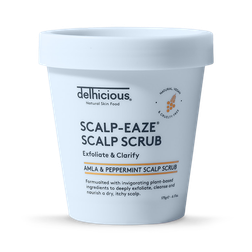
Delhicious
£14.95
£0.09/1 Each
Hair growth journey tips that support healthy-looking hair
If you've been searching for hair growth tips, you've probably come across countless products and hacks claiming to transform your hair overnight. While there's no magic solution for thicker and longer hair, there are simple habits that may help support healthy-looking hair over time. Here are some helpful tips…
Take care of your scalp
Healthy hair starts with the right scalp care. Hair follicles sit within the scalp, so keeping this area clean and well cared for helps create the best environment to support your hair growth journey.7 “Gentle scalp massage may help increase circulation in the scalp, which can support the scalp environment,” says Sarah. “Excess oil, product residue and dead skin cells can build up on the scalp and block hair follicles. Regular cleansing helps avoid a dry scalp, supporting a more suitable environment that can aid your hair growth journey.”
Eat a healthy, balanced diet
Healthy hair starts from within and the nutrients you eat may play a role in supporting normal hair growth. Sarah explains that, “Hair follicles rely on a consistent supply of nutrients to support normal growth. A balanced diet (particularly containing zinc and biotin) helps maintain healthy hair.”
So, what might a balanced diet look like? Aim to include plenty of protein-rich foods such as eggs, fish, lean protein, beans and lentils, alongside a variety of fruit, vegetables and wholegrains. Foods rich in antioxidants, including berries, dark chocolate, spices and herbs and leafy greens, may also help protect the body from oxidative stress – something that’s been linked to changes in the hair follicle and hair growth cycle.8-10 Healthy fats are important too, with sources like oily fish, walnuts and chia seeds helping to support overall scalp and skin health.11
Be gentle with wet hair
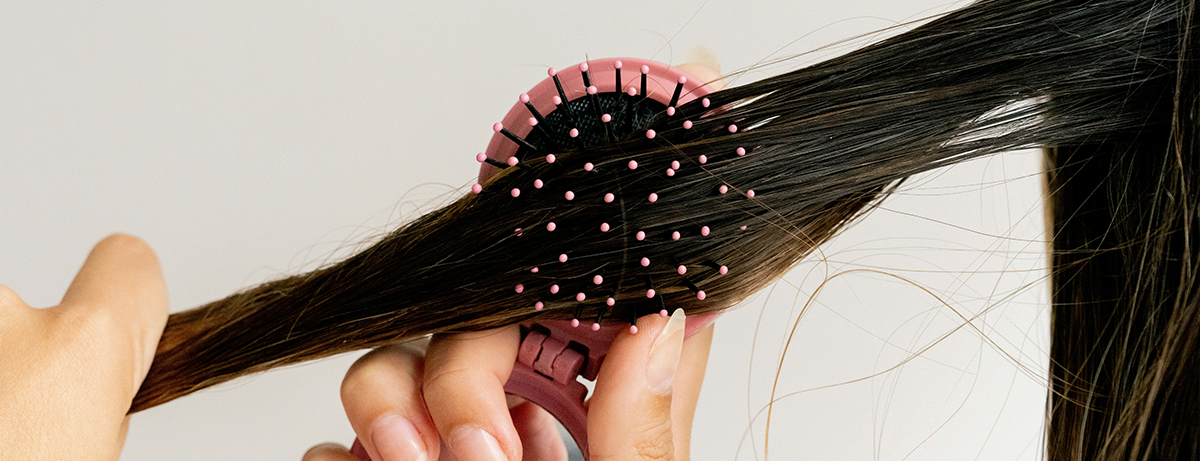
Hair can be more vulnerable to stretching and breakage when it's wet, especially if it's brushed or handled roughly.12 Instead of rubbing your hair vigorously with a towel or wrapping it up tightly, gently squeeze out excess water and use a microfibre towel to reduce friction.
If you need to detangle your hair, use a wide-tooth comb and start from the ends, gradually working upwards to help minimise breakage.
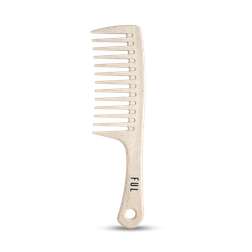
FUL
£9.50
£9.50/1 Brush
Limit heat styling where you can
We get it – sometimes heat styling isn't a luxury, it's part of your everyday routine. However, giving your hair a break wherever you can may help reduce damage over time. Frequent use of straighteners, curling wands and high-heat hair dryers can weaken the hair shaft, making hair more prone to breakage.13 Sarah says, “Limiting excessive heat styling, avoiding tight hairstyles and reducing harsh chemical treatments can also help protect both the scalp and the hair shaft.”
When you do reach for your styling tools, apply a heat protection spray first and use the lowest effective temperature wherever possible.
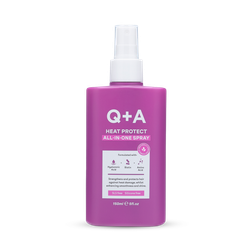
Q+A
£9.95
£6.63/100 ml
Choose protective hairstyles
Constant tension from tight ponytails, buns and braids can place extra stress on your hair and scalp. Opting for looser hairstyles where possible may help reduce unnecessary tension and breakage, protecting your hair over time.
Switch to a silk or satin pillowcase
Your hair moves against your pillow while you sleep and over time, this friction can cause tangles and breakage. Silk and satin pillowcases allow hair to glide more easily across the surface which may help reduce friction, tangles and breakage overnight.
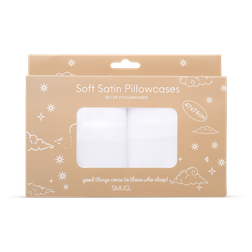
Smug
RRP £15.00
£12.00
£12.00/1 Unit
Stay hydrated
Staying hydrated doesn't just benefit your body – getting enough fluids may also help support skin hydration, including the skin on your scalp.19 “Hydration plays a vital role in skin health, including the scalp,” says Sarah. “Drinking enough water helps maintain the scalp's natural balance. Dehydration, on the other hand, can leave hair dry and more prone to breakage, which may make growth appear slower.”
Aim to drink water regularly throughout the day and keep a reusable water bottle close by as a reminder to sip little and often. Find plain water boring? Try adding slices of lemon or cucumber or try electrolytes and hydration sachets to make each sip a little more enjoyable.
Get regular trims
It might sound counterintuitive if you're wondering how to make hair grow longer and thicker, but regular trims don't affect how quickly your hair grows. Instead, they help remove split ends before they travel further up the hair shaft, reducing breakage and helping you hold on to more of your length over time.
Manage stress levels
Stress doesn't just affect how you feel – it can affect your hair too.10 Sarah explains that, “Ongoing or chronic stress can disrupt the normal hair growth cycle, causing more hairs to enter the resting or shedding phase. Managing stress through relaxation techniques, regular physical activity and adequate sleep can help support overall hair health.”
Can supplements help support healthy hair?
If you're eating a varied, balanced diet, you should already be getting many of the nutrients your hair needs. However, if you're looking for some extra support, supplements for healthy hair may be useful:
- biotin: contributes to the maintenance of normal hair, making it a popular ingredient in hair supplements14
- zinc: contributes to the maintenance of normal hair and supports normal protein synthesis – critical for cell turnover and tissue growth of healthy hair follicles15
- selenium: helps protect cells from oxidative stress and contributes to the maintenance of normal hair16
- collagen peptides: early laboratory research suggests collagen peptides may help support healthy hair by helping to maintain the hair growth phase, although more research in humans is needed17
- protein: hair is primarily made from keratin, a structural protein, so eating enough protein is important for maintaining healthy hair18
If you're unsure which supplement is right for you, it's worth speaking to your GP before adding anything new to your routine.
Alongside supplements, you may also come across ‘hair growth products’, ‘hair thickening products’ and ‘shampoos that help hair growth’. While these can help improve the appearance and condition of your hair, their effects can vary, and topical cosmetic products alone are unlikely to change your natural hair growth cycle.
Hair growth FAQs
Healthy hair growth starts with healthy habits. Eating a balanced diet, looking after your scalp, limiting heat styling and protecting your hair from unnecessary breakage can all help create the best environment for healthy hair growth. If you're experiencing sudden or excessive hair loss, make sure you speak to your GP for personalised advice.
While you can't force your hair to grow faster, supporting your scalp health may help create the right environment for healthy-looking hair. Sarah explains, “Gentle scalp massage may help stimulate circulation, supporting the delivery of oxygen and nutrients to the hair follicles.”
There's no shampoo that's been proven to make your hair grow faster. However, choosing a shampoo that's suitable for your hair type and keeps your scalp clean may support your hair growth journey. If you're looking for shampoos that help hair grow or hair thickening products, look for formulas designed to support the appearance of fuller, healthier-looking hair rather than expecting them to change your natural growth cycle.
The final say
If you're hoping for longer hair, patience and realistic expectations are key. While there's no quick fix, following simple hair growth tips, looking after your scalp, nourishing your body and treating your hair with care can all help create the best environment for healthy hair growth.
Looking after your hair doesn't stop here. Discover why protein matters for healthy hair or browse our favourite shampoos and conditioners for all hair types.
Disclaimer – This article provides informational advice and is not a substitute for medical care. Curated by experts for accuracy, we take great care to ensure the information is up-to-date and relevant. However, you should always consult your GP or healthcare professional before using supplements or alternative products, particularly if you have medical conditions or are under supervision.
1. Natarelli N, Gahoonia N, Sivamani RK. Integrative and Mechanistic Approach to the Hair Growth Cycle and Hair Loss. Journal of Clinical Medicine. 2023 Jan 23;12(3):893.
2. Hair Loss [Internet]. Hopkinsmedicine.org. 2021 Aug [cited 2026 July 23]. Available from: https://www.hopkinsmedicine.org/health/conditions-and-diseases/hair-loss
3. NHS website. Hair loss [Internet]. nhs.uk. 2017 Oct [cited 2026 July 23]. Available from: https://www.nhs.uk/symptoms/hair-loss/
4. InformedHealth.org. What Is the Structure of Hair and How Does It grow? [Internet]. www.ncbi.nlm.nih.gov. Institute for Quality and Efficiency in Health Care (IQWiG); 2019 [cited 2026 July 23]. Available from: https://www.ncbi.nlm.nih.gov/books/NBK546248/
5. Hasan R, Juma H, Eid FA, Alaswad HA, Ali WM, Aladraj FJ, et al. Effects of Hormones and Endocrine Disorders on Hair Growth. Cureus [Internet]. 2022 Dec 20 [cited 2026 Aug 20];14(12). Available from: https://www.cureus.com/articles/126109-effects-of-hormones-and-endocrine-disorders-on-hair-growth https://www.sciencedirect.com/science/article/pii/S2352647517300205
6. Trueb R, Henry J, Davis M, Schwartz J. Scalp condition impacts hair growth and retention via oxidative stress. International Journal of Trichology [Internet]. 2018 [cited 2026 July 23];10(6):262. Available from: http://www.ijtrichology.com/article.asp?issn=0974-7753;year=2018;volume=10;issue=6;spage=262;epage=270;aulast=Trueb
7. Rahaman MdM, Hossain R, Herrera‐Bravo J, Islam MT, Atolani O, Adeyemi OS, et al. Natural antioxidants from some fruits, seeds, foods, natural products, and associated health benefits: An update. Food Science & Nutrition. 2023 Jan 13;11(4):1657–70.
8. Carlsen MH, Halvorsen BL, Holte K, Bøhn SK, Dragland S, Sampson L, et al. The total antioxidant content of more than 3100 foods, beverages, spices, herbs and supplements used worldwide. Nutrition Journal [Internet]. 2010 Jan 22 [cited 2026 July 23];9(1). Available from: https://www.ncbi.nlm.nih.gov/pmc/articles/PMC2841576/
9. How chronic stress leads to hair loss [Internet]. Harvard.edu. 2021 [cited 2026 Aug 20]. Available from: https://www.hsci.harvard.edu/news/how-chronic-stress-leads-to-hair-loss
10. Mititelu M, Lupuliasa D, Neacșu SM, Olteanu G, Busnatu ȘS, Mihai A, et al. Polyunsaturated Fatty Acids and Human Health: A Key to Modern Nutritional Balance in Association with Polyphenolic Compounds from Food Sources. Foods [Internet]. 2024 Dec 27 [cited 2026 July 23];14(1):46. Available from: https://www.mdpi.com/2304-8158/14/1/46
11. Sinclair RD. Healthy Hair: What Is it? Journal of Investigative Dermatology Symposium Proceedings [Internet]. 2007 Dec 1 [cited 2026 July 23];12(2):2–5. Available from: https://www.sciencedirect.com/science/article/pii/S0022202X15526559
12. Zi Y, Liu J, Fang S, Li M, Huang Q, Peng X. Establishment of Heat‐Damaged Model for Hair. Journal of Cosmetic Dermatology. 2025 July 30;24(8).
13. Patel DP, Swink SM, Castelo-Soccio L. A Review of the Use of Biotin for Hair Loss. Skin Appendage Disorders [Internet]. 2017 [cited 2026 July 23];3(3):166–9. Available from: https://www.karger.com/Article/FullText/462981#
14. Scientific Opinion on the substantiation of health claims related to zinc and maintenance of normal skin (ID 293), DNA synthesis and cell division (ID 293), contribution to normal protein synthesis (ID 293, 4293), maintenance of normal serum testosterone. EFSA Journal. 2010 Oct;8(10):1819
15. Bai S, Zhang M, Tang S, Li M, Wu R, Wan S, et al. Effects and Impact of Selenium on Human Health, A Review. Molecules [Internet]. 2024 Dec 26 [cited 2026 July 23];30(1):50–0. Available from: https://pmc.ncbi.nlm.nih.gov/articles/PMC11721941/
16. Pappelbaum KI, Virgilio N, Epping L, van der Steen B, Jimenez F, Funk W, et al. Revealing novel insights on how oral supplementation with collagen peptides may prevent hair loss: Lessons from the human hair follicle organ culture. Journal of Functional Foods [Internet]. 2024 May 1 [cited 2026 July 23];116:106124. Available from: https://www.sciencedirect.com/science/article/pii/S1756464624001269#b0310
17. Trueb R. “Let food be thy medicine”: Value of nutritional treatment for hair loss. International Journal of Trichology. 2021;13(6):1 Available from: https://pmc.ncbi.nlm.nih.gov/articles/PMC8647708/
18. National Institutes of Health (NIH). Biotin – Fact Sheet for Health Professionals [Internet]. NIH [reviewed 2022 Jan 10; cited 2026 Jun 12]. Available from: https://ods.od.nih.gov/factsheets/biotin-healthprofessional/
19. Rodrigues L, Palma L, Tavares Marques L, Bujan Varela J. Dietary water affects human skin hydration and biomechanics. Clinical, Cosmetic and Investigational Dermatology [Internet]. 2015 Aug [cited 2026 Aug 20];8(8):413. Available from: https://www.ncbi.nlm.nih.gov/pmc/articles/PMC4529263/
Related to this article