20% off £40 or 15% off £30



Getting extra protein doesn’t need to be complicated. Here are easy and tasty ways to add protein to your meals, according to a sports nutritionist
Summary
1How much protein do you need per day?
Everyone needs different amounts depending on their activity level, height and weight, but a good starting point is 0.8g protein per kg body weight.
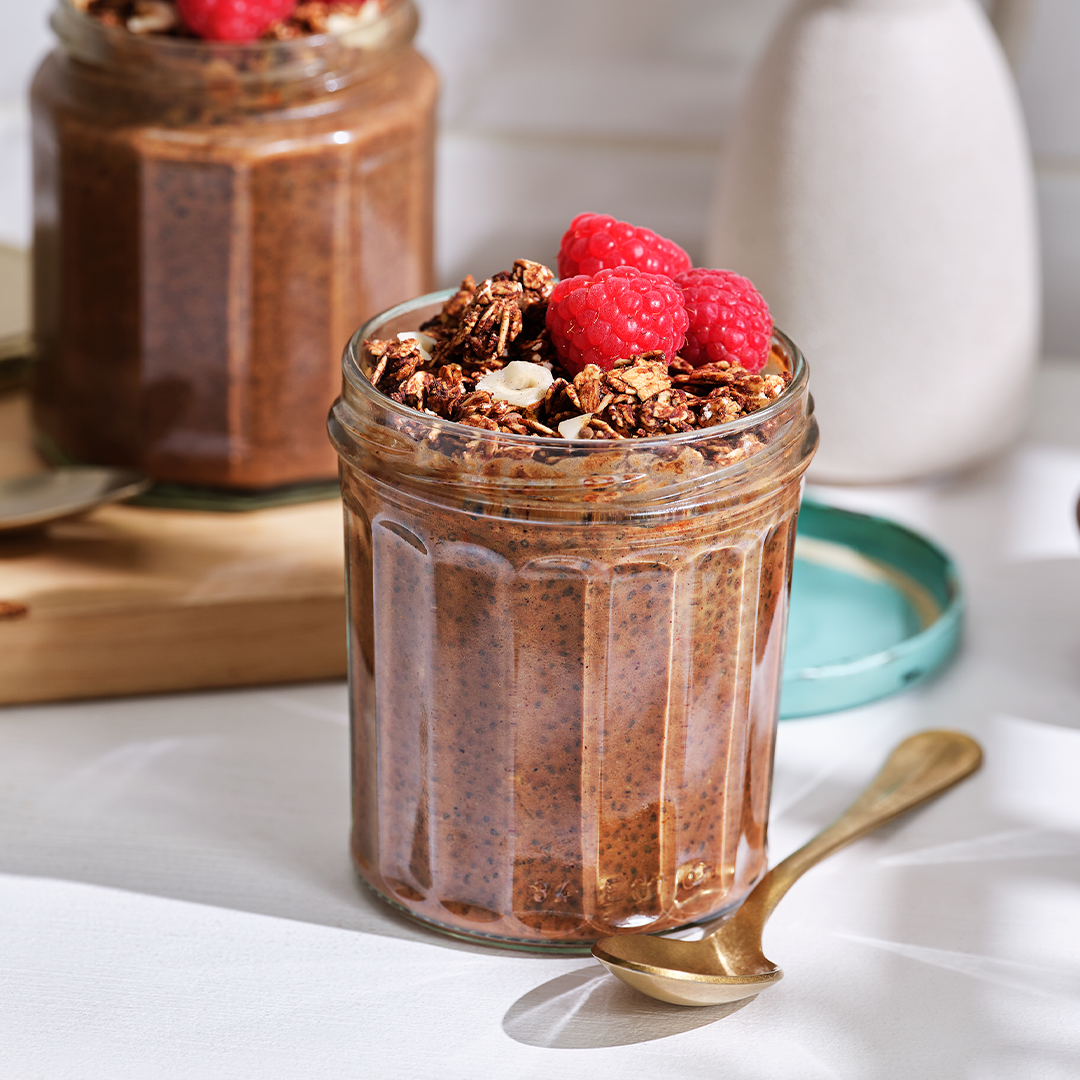
2Power up your protein at breakfast
Try swapping avo for smashed pea toast (yes, really) and garnishing with crumbled feta or a poached egg.
3Pack some protein snacks
Making something complex isn’t always feasible when you’re hangry, so here are a few snacks that are simple to make in batches and take on the go.
Protein has become classic watercooler conversation at the gym for good reason. “One main role of protein is to build muscle,” explains our nutritionist, Emily Foster. "Without enough, we won't be able to build or sustain our muscle mass.”1,2
It’s not just the gains – we need protein for everyday energy and for supporting our bones and immune health.1 Whether it’s pushing for your next PB or just getting through a meeting without belly rumbles, slotting adequate protein into your diet is a great way to feel steady and satiated. With Emily’s help, we’ll share some quick ways to get extra protein into your breakfast, lunch and dinner, plus preppable snacks you'll actually reach for.
How much protein do you need per day?
Everyone needs different amounts of protein, depending on things like their activity level and their height and weight. “A good starting point is to aim for 0.8g of quality protein per kilo of body weight. So, for a 70kg person, that would be 56g of protein,” suggests Emily. Or use our protein calculator to get a tailored recommendation in just a few clicks.
Most of us eat more than enough protein already, according to the British Nutrition Foundation.1 But the quality and variety matters too – so even if you eat enough protein for your needs, switching it up could give you a more nutritious and balanced diet as not all protein sources are the same. Proteins are made up of amino acids, nine of which are considered essential because the body can’t produce them on its own. Different foods provide different combinations of these amino acids. Animal-based proteins (like meat, fish, eggs and dairy) typically contain all nine essential amino acids, while many plant-based sources may be lower in one or more. That’s why variety matters – by including a mix of protein sources across the day (such as beans, lentils, grains, nuts and seeds), you can help get all the essential amino acids your body needs.1
6 easy ways to get more protein
1. Get creative with protein in smoothies
Picture it: you're sipping a smoothie on a sunny day and you're getting some protein. Smoothies are ideal if you don’t like the texture of protein shakes. A handful of frozen berries, some milk of your choice and a scoop of protein powder and you could be slurping around 20g of protein without even trying. Get variety by...
- mixing it up with banana for a sweeter and creamier feel
- adding cocoa powder, desiccated coconut, vanilla extract or peanut butter to transform your smoothie into a drink reminiscent of your favourite choc bar
- freezing leftovers in large ice cube trays – great if you get bored of the same breakfast
Choose vanilla protein powder for a sweeter option – Form Nutrition's offering provides 30g protein per serving – or go unflavoured to let your fruit shine. The Organic Protein Co’s Whey is ideal for a post-gym smoothie and offers 19.75g protein per scoop.
2. Power up your protein at breakfast
Breakfast can be a sticking point when it comes to protein – that bit of toast is nutritious in other ways, but it’s not exactly protein-heavy. Luckily, there's tons of opportunity to pack protein into your morning. Try...3
- adding protein powder or cottage cheese to pancakes (our protein pancakes provide 21g protein per serving)
- whipping up a weekend shakshuka for 20g protein per serving
- getting involved with scrambled tofu – 16g protein per 100g and even more when seasoned with nutritional yeast
- using those baked beans in the cupboard – half a jar of our beans provides 7.8g protein
- alternating avo for smashed pea toast (yes, really) and garnishing with crumbled feta or a poached egg (8.25g protein for the peas and an extra 7g for the egg)
3. Pack some protein snacks
If you’re on a mission to increase your protein, one of the best ways is to incorporate it into your snack game. Making something complex isn’t always feasible when you’re hangry, so here are a few snacks that are simple to make in batches and take on the go...
- crunchy peas are an instant flavour hit that’ll get your protein up too. Pop into pots and keep on hand – we love wasabi peas (about 4g protein per 30g) and our truffle chickpeas (6.5g per serving)
- grab an old faithful, the protein bar – keep them in your car or gym bag and they’ll never let you down. You’re spoiled for choice here, but honourable mentions include H&B Precision Engineered Dark Chocolate and Sea Salt (your go-to vegetarian protein bar with 22g protein), Barebells Cookies and Cream (20g) and Myprotein Layered Peanut and Pretzel (20g)
- forget those egg and spinach pots that cost you a fortune – make your own in less than ten minutes (with the joy of extra seeds, hot sauce or avocado)
- keep falafel in the fridge (our golden sweet potato falafel provides 19g protein per serving). Bonus points for hummus...

4. Crack your protein goals with an egg
One of the best sources of protein is the humble egg, with each one delivering around 13g of easy-to-absorb protein.4 And what do we love about eggs at H&B HQ? Their versatility. Silky scrambled eggs, fried on top of a stir-fry or added gradually while making porridge (don’t knock it ‘til you’ve tried it). Eggs have historically suffered some bad press with links to cholesterol, but as we know not everything you read is true...
As part of a balanced diet, they’re one of the easiest and tasty ways to meet your protein Recommended Daily Allowance (RDA) – and they actually have all nine essential amino acids, making them a complete protein source.5
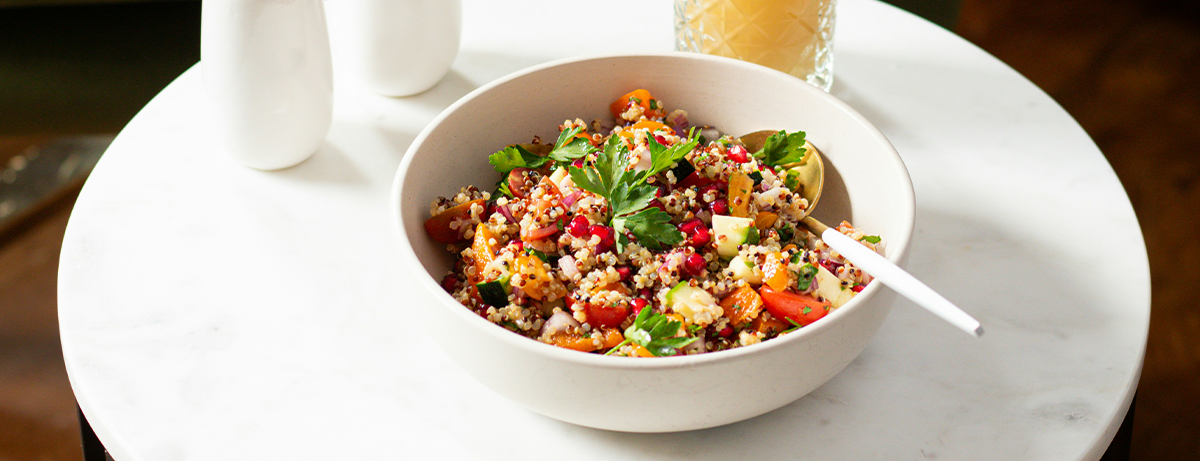
5. Plan your lunches like a protein pro
We’re not saying it’s all chicken, rice and broccoli from here on in, but planning what you’re eating and opting for a good source of protein on your plate will see you hitting your goals one meal at a time. Eggs, fish, lean red meat, chicken and plant-based winners like tofu, tempeh, nuts and pulses all pack a protein punch if you want to help build that muscle. Think about taking up at least a quarter of your plate with a source of protein at every meal.6
6. Drink protein on the go
When meal planning and thinking ahead goes by the wayside, protein drinks are a handy go-to. Some brands have managed to cram up to 50g of protein into one serving. We’ve chosen UFIT Salted Caramel (50g protein) and Myprotein Clear Whey Drink Orange & Mango (20g protein) or find your new favourite in the fridge at your local H&B.
Protein FAQs
Per 100g, the foods with the highest protein are:8
- meat: chicken breast without skin (32g), lean and grilled pork chop (31.6g)
- fish: tinned tuna (24.9g), grilled salmon (24.6g)
- dairy: reduced-fat cheddar cheese (27.9g), cheddar cheese (25.4g)
- nuts: almonds (21.1g), walnuts (14.7g)
- beans, legumes and grains: brown wheat flour (12.2g), boiled rice (10.9g)
It’s worth bearing serving sizes in mind – you might eat 100g tuna but you probably wouldn’t eat 100g almonds, for example.
The final say
Protein is packed full of benefits – and getting enough of it can be easier than you think. “Look at your day as a whole and think about some of the quick wins,” says Emily, like adding protein powder to your porridge, peanut butter in your smoothie or an extra egg in your omelette. Missed our protein calculator earlier? Find out how much protein you need or explore which protein powder is right for you...
Disclaimer – This article provides informational advice and is not a substitute for medical care. Working with experts for accuracy, we take great care to ensure the information is up-to-date and relevant. However, you should always consult your GP or healthcare professional before using supplements or alternative products, particularly if you have medical conditions or are under supervision.
1. British Nutrition Foundation (BNF). Protein [Internet]. BNF [reviewed 2023 Oct; cited 2026 Apr 15]. Available from: https://www.nutrition.org.uk/nutritional-information/protein/
2. Lonnie M et al. Protein for Life: Review of Optimal Protein Intake, Sustainable Dietary Sources and the Effect on Appetite in Ageing Adults. Nutrients [Internet]. 2018 Mar 16 [cited 2026 Apr 15]: 10(3): 360. Available from: https://pmc.ncbi.nlm.nih.gov/articles/PMC5872778/
3. Nutritics.com [cited 2026 Apr 15].
4. Puglisi MJ, Fernandez ML. The Health Benefits of Egg Protein. Nutrients [Internet]. 2022 Jul 15;14(14):2904. Available from: https://www.ncbi.nlm.nih.gov/pmc/articles/PMC9316657/
5. National Research Council. Table 6-5 Amino Acid Requirement Patterns Compared with the Composition of High-Quality Proteins and the US Diet. Recommended Dietary Allowances: 10th Edition [Internet]. 1989 [cited 2026 Apr 15]. Available from: https://www.ncbi.nlm.nih.gov/books/NBK234922/table/ttt00012/?report=objectonly
6. NHS. The Eatwell Guide [Internet]. NHS [reviewed 2022 Nov 29; citeed 2026 Apr 15]. Available from: https://www.nhs.uk/live-well/eat-well/food-guidelines-and-food-labels/the-eatwell-guide/
7. Hody S, Croisier JL, Bury T, Rogister B, Leprince P. Eccentric Muscle Contractions: Risks and Benefits. Front Physiol [Internet]. 2019 May 3 [cited 2024 Jul 25]; 10: 536. Available from: https://www.ncbi.nlm.nih.gov/pmc/articles/PMC6510035/
8. British Nutrition Foundation (BNF). Protein in the diet [Internet]. BNF [reviewed 2021; cited 2026 Apr 15]. Available from: https://www.nutrition.org.uk/media/yh2botxi/protein-in-the-diet_resource.pdf
Related to this article